
In 2026, the idea of wandering through a mist-shrouded mountain village in Guizhou or navigating the neon-drenched vertical labyrinth of Chongqing with nothing but a folded paper map feels like an artifact from a bygone century. I remember my first trip to China over a decade ago—I spent half my time pointing at pictures in a phrasebook, hoping the waiter didn’t think I was asking for a glass of tap water when I actually wanted dumplings. Today, however, China’s digital ecosystem has transformed into a high-speed, hyper-convenient world that, while intimidating at first glance, is actually incredibly welcoming once you have the right keys to the kingdom.
If you are planning to venture beyond the polished skyscrapers of Shanghai or the imperial gates of Beijing—perhaps to explore the Emerald Loop or find tranquility in the Yunnan tea estates—your smartphone is not just a device; it is your digital survival kit.
1. Navigation: Amap (Gaode Maps)
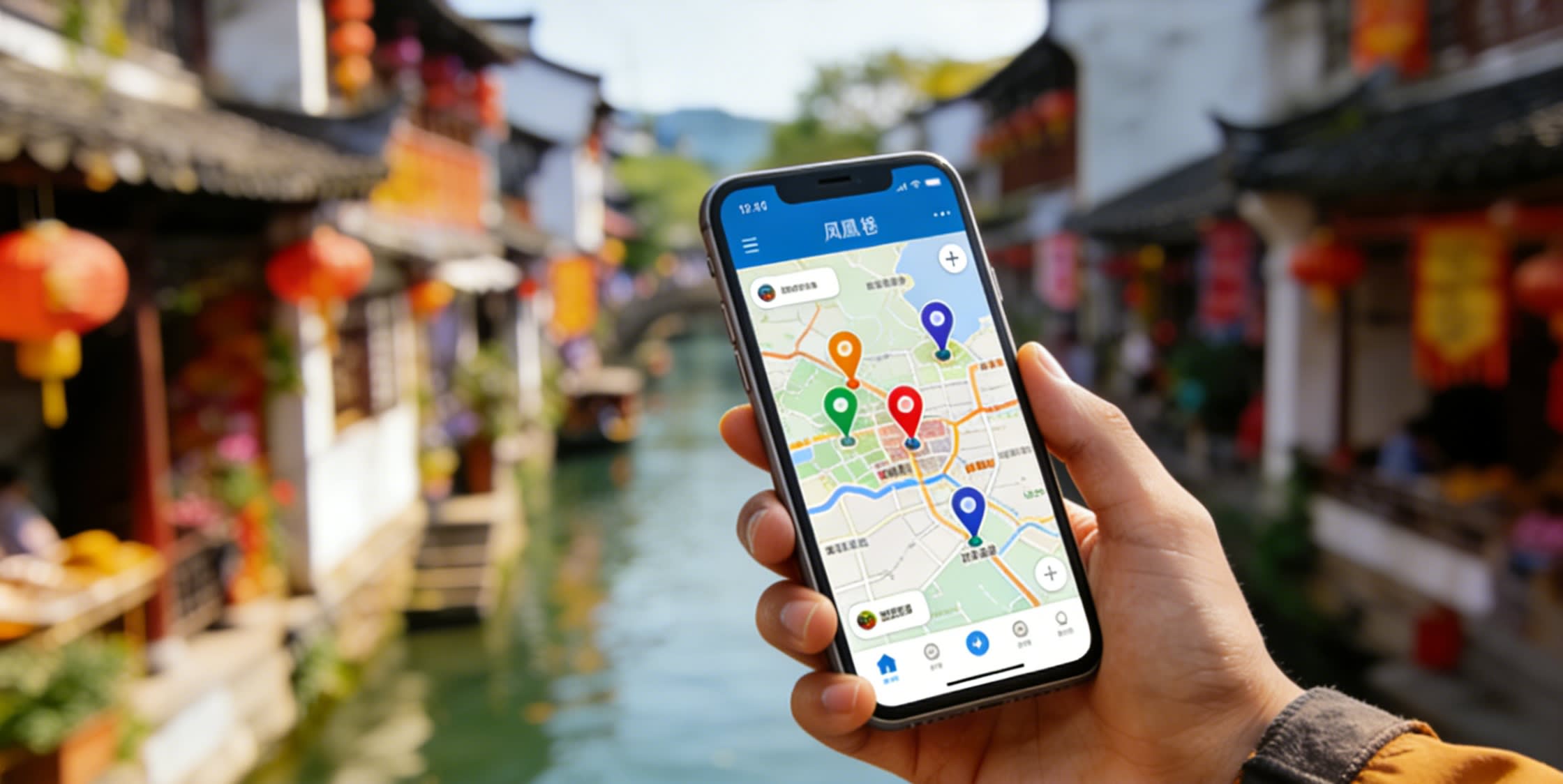
While I have a soft spot for Apple Maps, Amap (高德地图 - Gāodé Dìtú) is the undisputed gold standard for accuracy in the Middle Kingdom. In smaller, provincial cities, global mapping software often misses the nuance of the hutongs (narrow alleys) or brand-new commercial plazas that seem to pop up overnight.
- Pro Tip: Don’t let the all-Chinese interface scare you off. You can often search for major landmarks in English, and the app’s predictive logic is remarkably smart.
- The Curator Edge: Amap provides granular, real-time traffic data and precise pedestrian routing. It will tell you exactly which subway exit to take to avoid a twenty-minute uphill trudge, which, in the humid summers of South China, is an absolute lifesaver.
2. Transportation: Didi (The English Version)
Forget what you know about ridesharing elsewhere; Didi (滴滴出行 - Dīdī Chūxíng) is the true backbone of Chinese mobility. It is a sprawling ecosystem that goes far beyond just getting you from A to B.
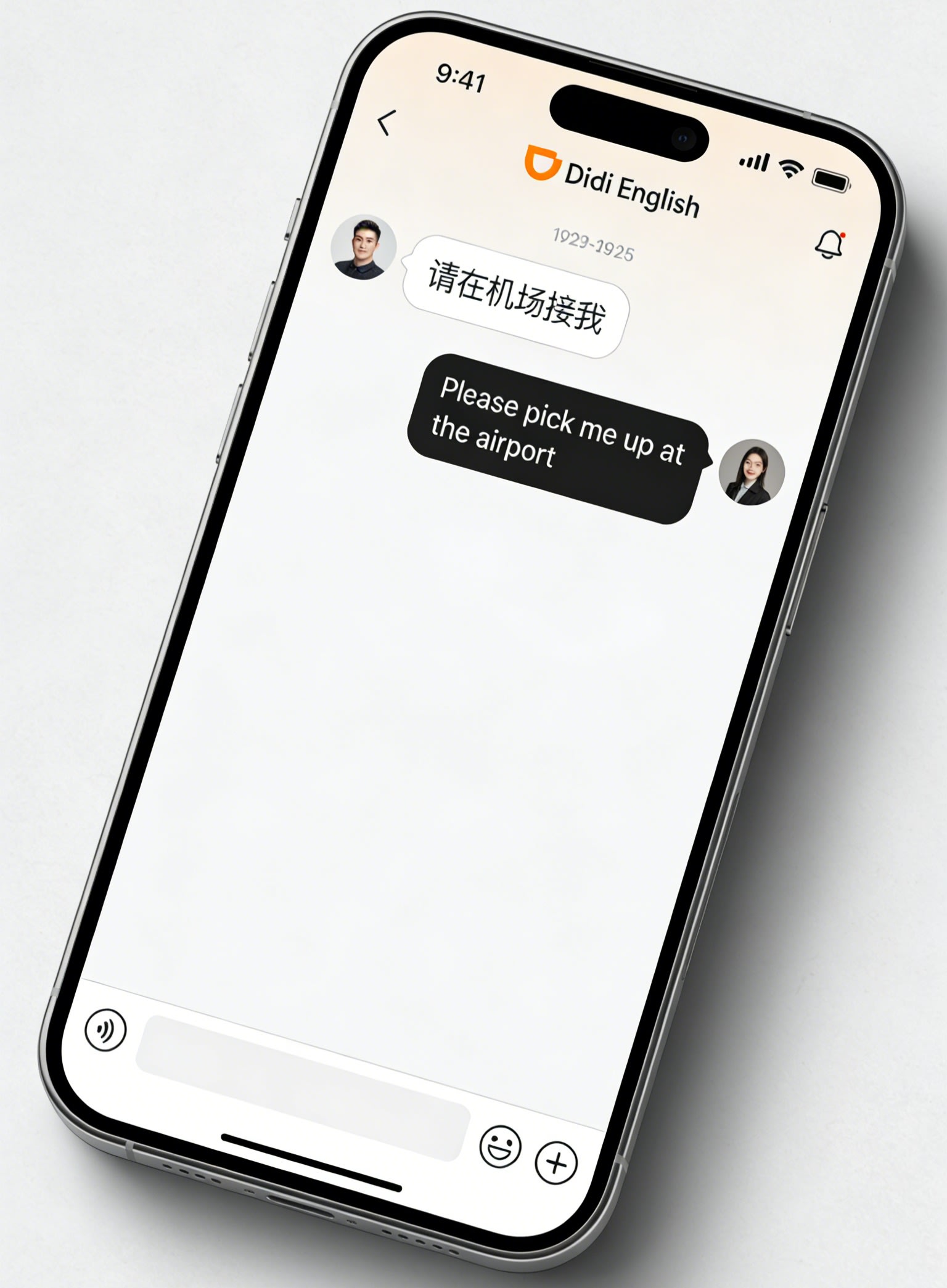
- Why it’s essential: The app features a robust, fully translated English interface. It also includes a real-time, in-app translation tool for your chats with the driver. You type your question in English, and it appears on their screen in clear, standard Chinese characters. It completely erases that “I’m lost in a language desert” anxiety.
- Safety First: When exploring more remote 5A scenic areas, I strongly recommend avoiding unmarked, non-metered “black taxis.” Sticking to a tracked, verified portable phone charger and a booked Didi is the smartest move you can make for peace of mind.
3. Communication: WeChat (The “Everything App”)
To describe WeChat as a messaging app is like calling a private jet a bicycle. You don’t just use it to keep in touch with your friends; you use it to navigate existence in modern China.
- Mini-Programs: This is the real magic. Most restaurants, including the tiny, family-run noodle shops that serve the most life-changing Dan Dan Noodles, have moved entirely to QR-code ordering. You scan a code at your table, the menu pops up in a “Mini-Program,” you select your items, and you pay—all without saying a word.
- Instant Translation: Did a local guide send you a long, complicated message in Chinese? Just long-press the text, and WeChat will translate it into English instantly.
4. Lifestyle & Food: Meituan & Dianping
If you are hunting for the most authentic, local-favorite flavors in a province like Sichuan or Shaanxi, skip the curated lists on international travel sites. Instead, go where the locals vote with their wallets: Meituan (美团 - Měituán) or Dianping (大众点评 - Dàzhòng Diǎnpíng).
- The Local Pulse: These platforms are the heart of the Chinese lifestyle. They host massive amounts of crowd-sourced reviews and high-definition photos of every single dish on the menu.
- Visual Ordering: I’ve found myself in dozens of eateries where the menu was entirely in characters I hadn’t yet mastered. My strategy? I pull up the shop on Dianping, show the waiter a photo of a glowing, popular dish, and say “Wǒ yào zhège” (I want this). It’s a 100% success rate every single time.
5. Translation: Baidu Translate & DeepL
While Google Translate is familiar, it can feel sluggish and imprecise in China without a steady connection. For a truly seamless experience, you need to use the local powerhouses.
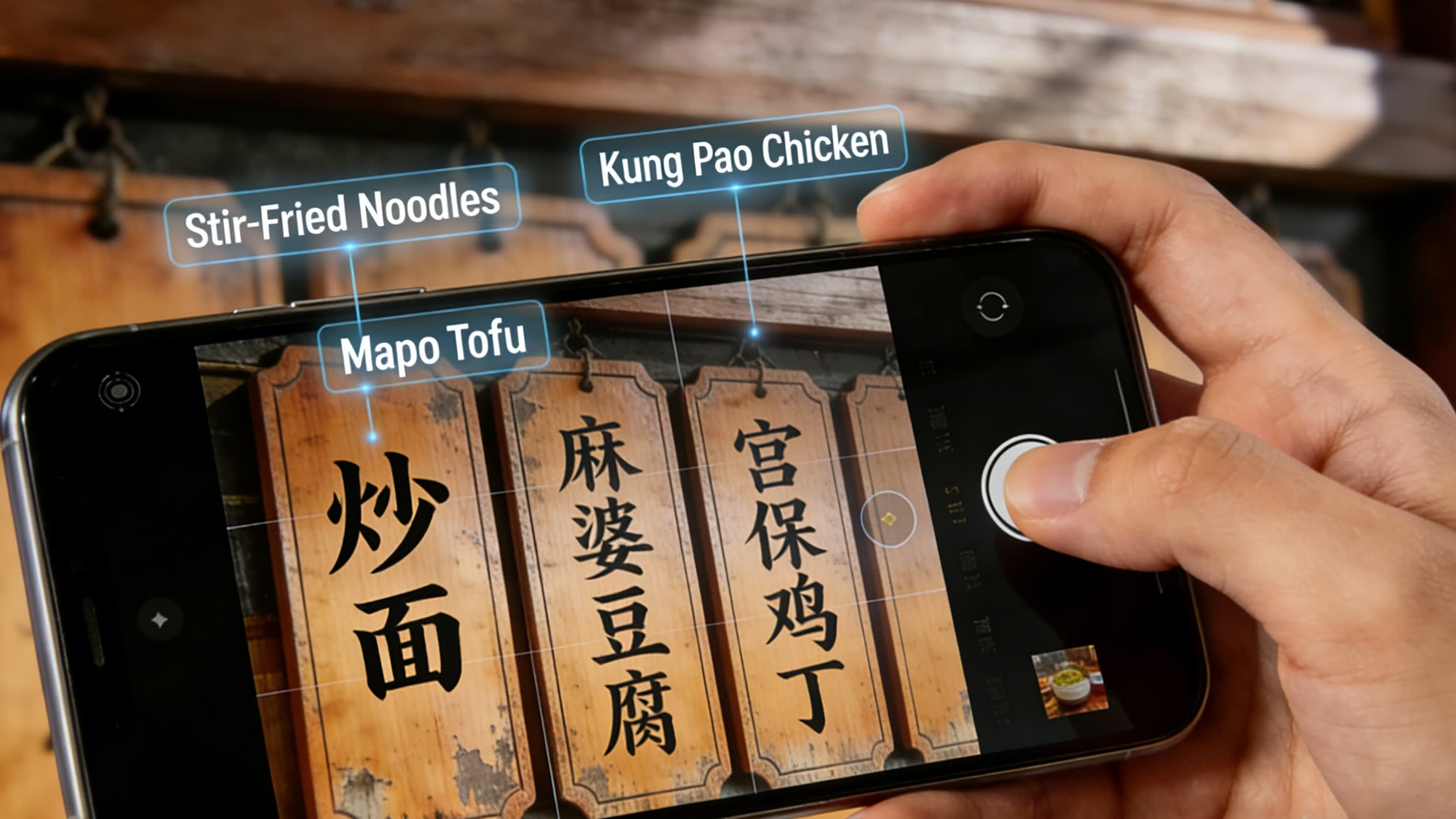
- Baidu Translate (百度翻译 - Bǎidù Fānyì): This is your best friend when deciphering complex menus or reading historical site plaques. Its “Object Translation” mode is remarkably fast—just point your camera at the text, and the English translation overlays onto your screen in real-time.
- DeepL: For more nuanced needs—like explaining your specific dietary restrictions to a chef or trying to politely navigate a cultural misunderstanding—DeepL provides much more natural-sounding, human-quality translations than typical machine-learning models.
6. The 2026 Essential Toolkit
| App Category | Recommendation | Key 2026 Benefit |
|---|---|---|
| Navigation | Amap (Gaode) | Hyper-accurate walking routes |
| Transport | Didi | Built-in chat translation |
| Translation | Baidu Translate | Fast real-time OCR camera mode |
| Train Booking | 12306 (Official) | English-friendly ticket management |
| Inspiration | Xiaohongshu (RED) | Real-time, trending local spots |
Final Pro-Tip: The “Power” Imperative
I cannot stress this enough: in 2026, a dead phone battery in China is not just a minor annoyance; it is a total, grinding halt to your entire day. You need that device to pay for your morning coffee, hail a ride out of a rainstorm, or navigate your way back to your hotel. While the ubiquitous shared power banks found in almost every restaurant are a brilliant invention, I always carry my own high-capacity power bank in my day bag. It is the difference between a seamless, stress-free adventure and a chaotic, frantic afternoon.
Before you set out, make sure your financial apps are fully configured and ready for the road—my guide on mastering the payment ecosystem is the perfect next step in your preparations. Safe travels, and enjoy the digital convenience that makes modern travel in the Middle Kingdom so truly unique!
Disclaimer: As an Amazon Associate, ChinaCurator earns from qualifying purchases.