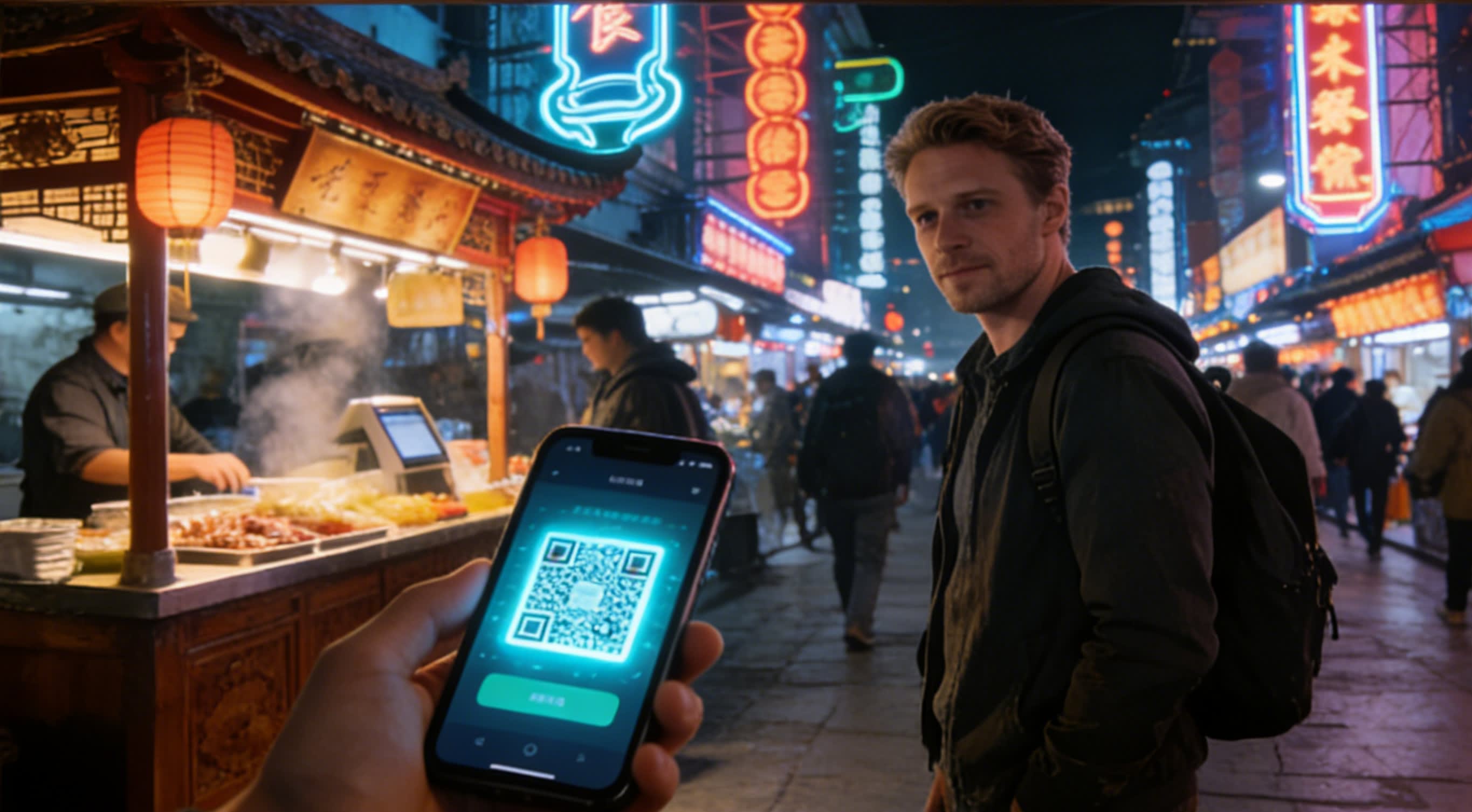
In 2026, stepping onto the streets of Beijing or Shanghai feels less like a traditional vacation and more like entering the future of retail. China has transformed into a virtually cashless society, a shift so profound that you might struggle to find a vendor who accepts a crisp hundred-dollar bill. Whether you are bargaining for a silk scarf in a Suzhou water town or grabbing a steaming bowl of noodles at a street-side stall, you will notice the same rhythmic dance: the quick tap of a screen, a musical “beep” of a scanner, and the transaction is done.
For international travelers, this digital landscape once felt like a walled garden. However, the regulatory landscape has shifted dramatically over the past two years. Linking your foreign bank cards is no longer a technical nightmare; it is a standard, streamlined process. In this guide, I’ll walk you through the nuances of setting up these digital wallets so you can navigate China with the confidence of a local.
1. Why Cash is No Longer King
There is a lingering myth that you can “get by” with just cash in China. While high-end hotels and major tourist attractions are legally required to accept currency, the reality on the ground is different. Small vendors, local taxis, and even neighborhood kiosks operate on a mobile-first basis. When I first visited, I found myself clutching a thick wad of RMB (Renminbi) notes, only to realize the shopkeeper had no change for anything larger than a twenty-Yuan note.
In 2026, mobile payment is not merely a convenience—it is the bedrock of your travel survival kit. Being tethered to a digital wallet ensures that you are never stranded when a Didi (the Chinese equivalent of Uber) pulls up to your hotel or when you need to top up your metro card during a Beijing Hutong citywalk.
2. Setting Up Alipay (The Most Traveler-Friendly Option)
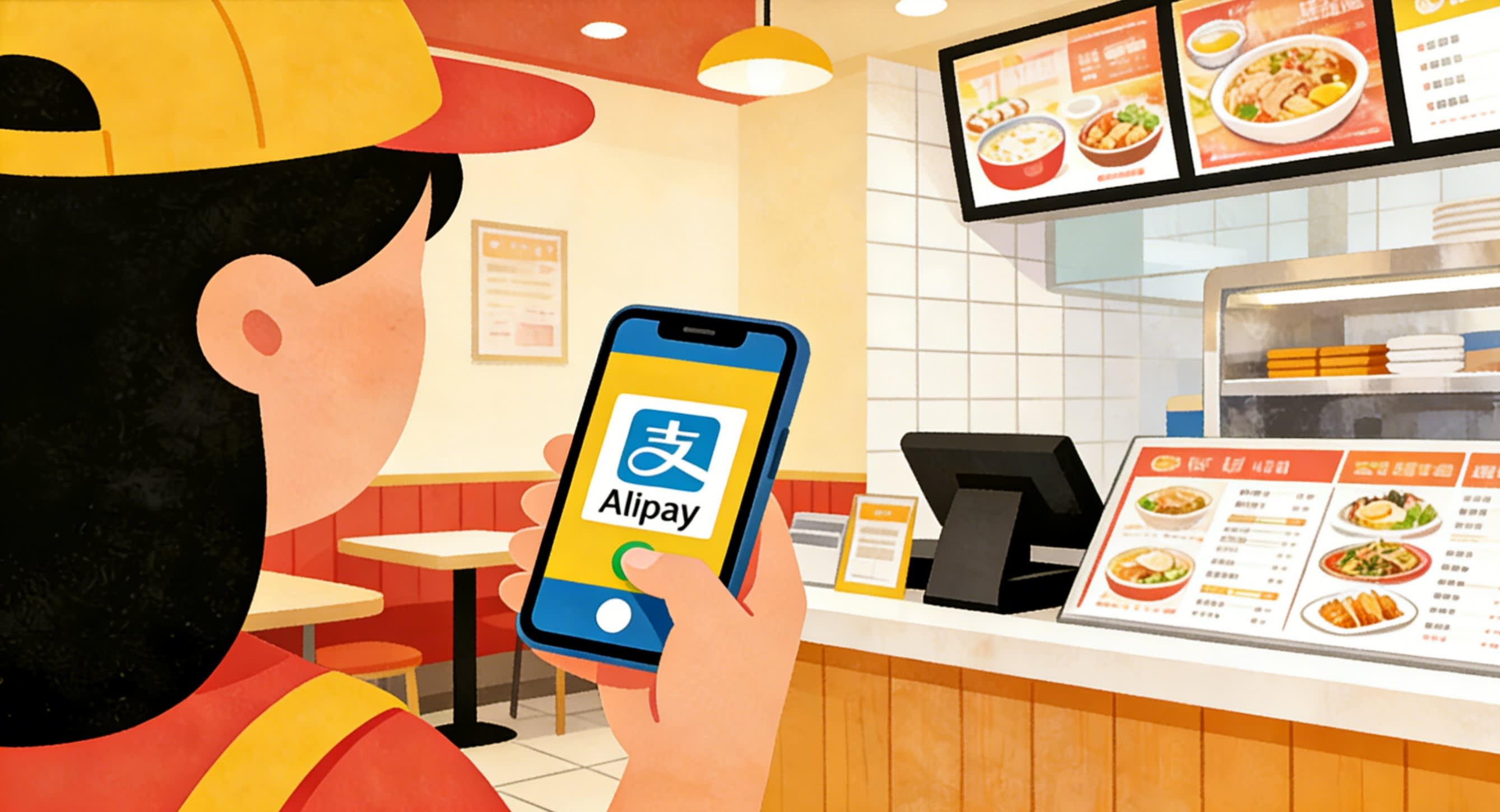
Alipay (Zhīfùbǎo - 支付宝) remains the gold standard for international visitors. Its international version is exceptionally polished, offering an English-language interface that doesn’t feel like a clunky translation.
Step-by-Step Configuration:
- Registration: Download the official Alipay app from your preferred app store. Register using your international mobile number. It is critical to use a number that can receive SMS verification codes.
- The International Interface: Once logged in, the app usually detects your foreign phone number and prompts you to switch to the “International” version. This trims the fat from the interface, leaving you with the essentials.
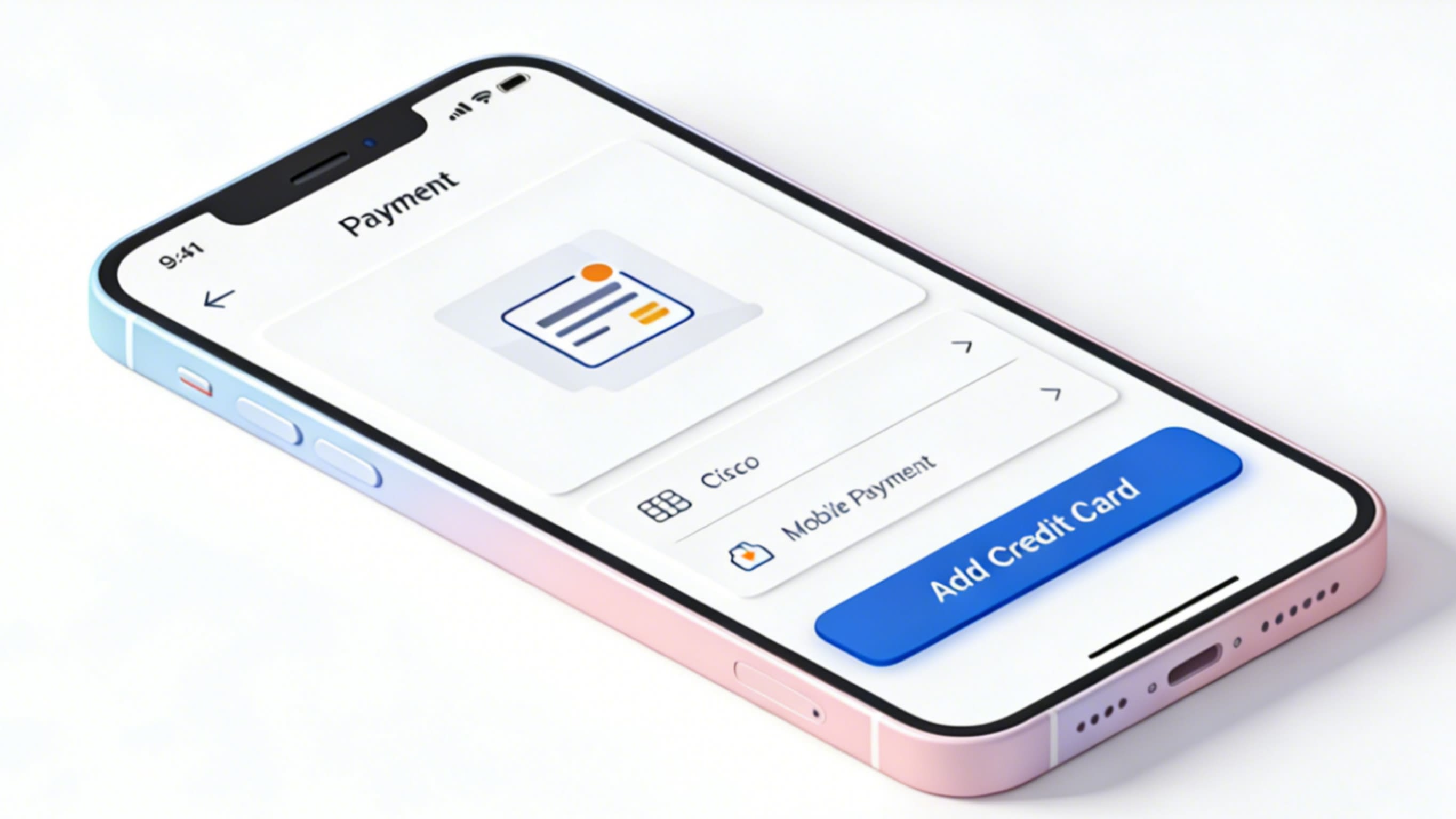
- Linking Your Financials: Navigate to the “Bank Cards” section. You can now reliably link Visa, Mastercard, Diners Club, and Discover cards.
- Identity Verification: Security is paramount. You will be prompted to upload a high-resolution photo of your passport. The AI-driven verification is remarkably fast; in my experience, it took less than four minutes for my account to be fully cleared for transactions.
3. WeChat Pay and the Rise of “Palm Pay”
WeChat (Wēixìn - 微信) is more than an app; it is the operating system of social and professional life in China. Its payment component, WeChat Pay, is essential, especially if you plan to socialize or book activities through Chinese contacts.
Activating the Wallet:
To get started, head to the “Me” tab, enter “Services,” and locate the “Wallet” button. The linking process mirrors Alipay’s flow. However, keep in mind that due to platform limitations, you generally cannot use your international card to send personal “Red Packets” (Hóngbāo - 红包) or engage in private peer-to-peer transfers with local friends. Those functions require a Chinese-issued debit card.
The 2026 Innovation: Palm Pay (微信刷掌)
If you find yourself in a major subway station, look for the biometric scanners. “Palm Pay” is the cutting-edge standard in 2026. By registering your palm print—which acts as a unique biological key—you can pay for transit or retail items by simply hovering your hand over the sensor. It is a seamless, friction-free experience that feels genuinely futuristic.
4. Understanding Transaction Fees and Limits
The cost of convenience is usually a small percentage. Here is how the fee structure works for international cards:
| Transaction Amount | Fee Structure |
|---|---|
| Below 200 RMB | No transaction fee (0%) |
| Above 200 RMB | Typical 3% service fee |
Keep in mind that exchange rates are determined by your home bank’s Visa or Mastercard network. While these rates are highly competitive, always check if your home bank charges “Foreign Transaction Fees” on top of the payment app’s percentage. If you are a heavy spender, it might be worth investing in a high-quality travel power bank to ensure your phone—and your wallet—never runs out of juice.
5. Troubleshooting: When the Transaction Fails
Even in a technologically advanced environment, “Card Declined” messages happen. Do not panic; it is almost always a security trigger from your home bank.
- Bank Authorizations: Before you board your flight, call your bank and place a “Travel Notice” on your cards. Explicitly state that you will be making digital transactions in China.
- The Prepaid Fallback: If your primary credit card consistently fails to link, look for the “TourCard” mini-app within Alipay. This allows you to load a balance onto a virtual, China-specific prepaid card, which acts as a bridge between your foreign money and the local payment ecosystem.
6. Essential Pro Tips for 2026
- The Power Management Rule: Your phone is your lifeblood. If your battery dies, you are effectively invisible and broke. Always carry a reliable USB-C cable and a high-capacity portable battery.
- Didi Integration: Do not bother downloading a standalone taxi app. Open Alipay and search for the “Didi” mini-program. It links directly to your already-verified payment method, making airport transfers or late-night trips home effortless.
- Scan vs. Show: Understanding the QR code dynamic is key. You will either Scan (you use your camera to scan the merchant’s code) or Pay (you show the merchant your dynamically generated QR code). Usually, the merchant will gesture to show you which to do.
Final Thoughts
Transitioning to a mobile-payment-only mindset can feel intimidating for an international visitor, but the system is designed to welcome you. Once you successfully purchase your first cup of tea or train ticket, the anxiety of “how do I pay?” will vanish, leaving you to focus on the sights, sounds, and flavors of your journey. Remember, if you are planning to travel extensively, check out my ultimate month-by-month guide to choose the perfect time for your adventure.
📱 For more China survival insights, explore our Travel Section.
Disclaimer: As an Amazon Associate, ChinaCurator earns from qualifying purchases.