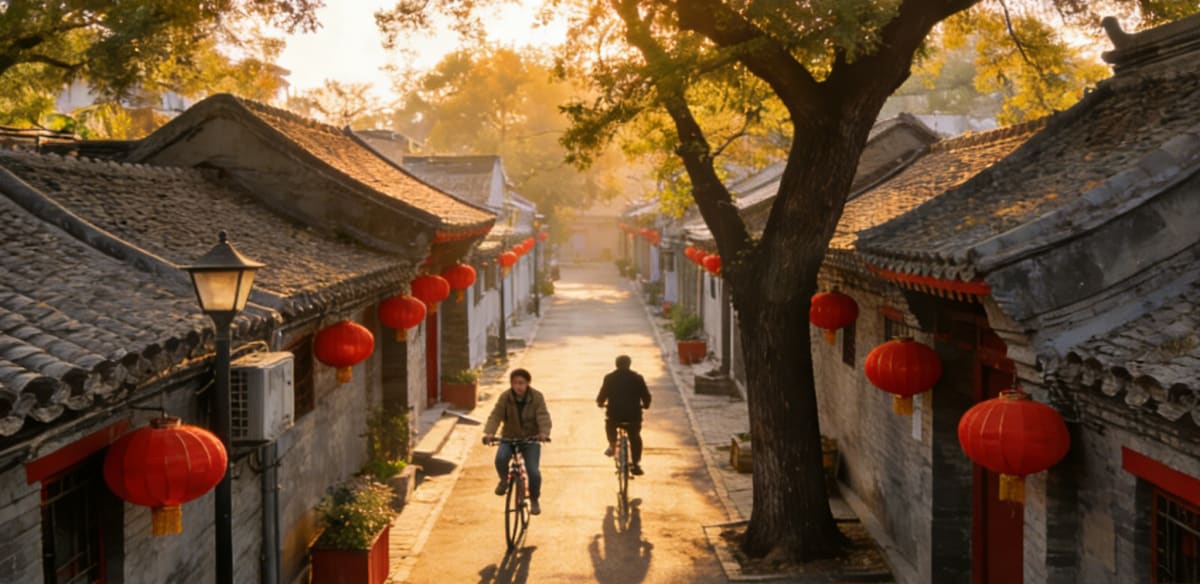

If I could only recommend one Beijing experience to first-time visitors, this would be it. My 6-7 km citywalk isn’t just a stroll; it is a meticulously curated journey through 800 years of living history, weaving together UNESCO-worthy landmarks and the quiet, lived-in heart of the capital. While massive tourist hubs like Wangfujing can feel overwhelming, this route offers a gentle, authentic immersion into the Beijing that has enchanted travelers from Marco Polo to the modern-day expat.
If you are looking for more ways to navigate this vast, historic country, you might also want to check out my tips on staying connected in China with a reliable eSIM, or read my deeper thoughts on how to avoid the biggest tourist traps while maintaining your own pace.
📍 Location & Getting There
| 🎯 Start Point | Ditan Park (地坛公园 Dìtán Gōngyuán) North Gate |
| 🧭 Navigation Tip | Search "Ditan Park North Gate" in Apple or Google Maps; Chinese maps are much more precise with the pinyin. |
| 🚇 Subway | Line 5 to Hepingli Beijie Station (和平里北街 Hépínglǐ Běijiē), Exit D. |
| 💡 Why this matters | Line 5 provides clear English announcements, and Exit D brings you right next to clean public restrooms—a godsend for any traveler. |
🗺️ The Complete Route
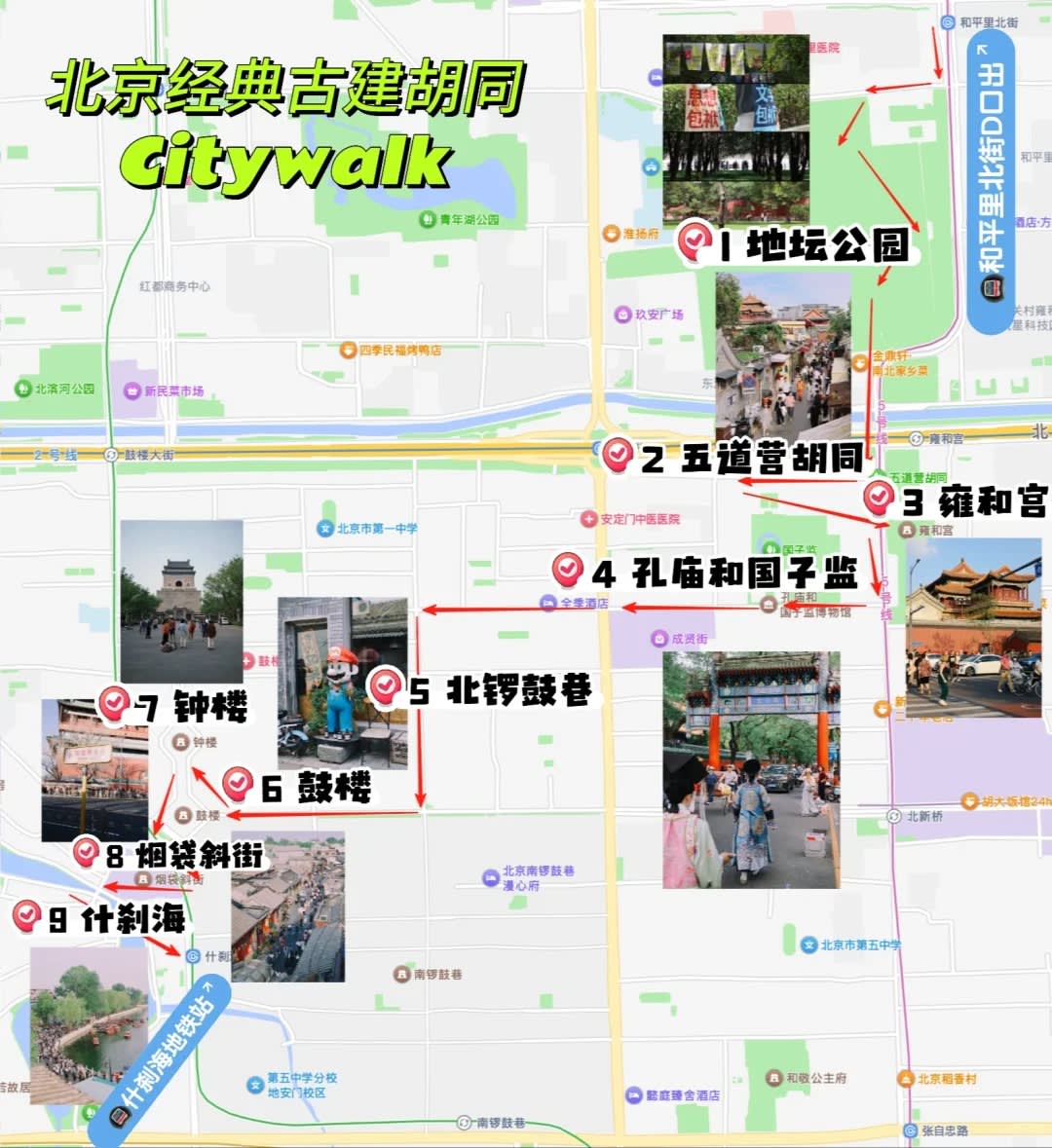
Hepingli Beijie Station (和平里北街站) Exit D ➜ Ditan Park (地坛公园) ➜ Wudaoying Hutong (五道营胡同) ➜ Yonghegong/Lama Temple (雍和宫) ➜ Confucius Temple & Imperial Academy (孔庙 & 国子监) ➜ Beiluoguxiang (北锣鼓巷) ➜ Gulou Dongdajie (鼓楼东大街) ➜ Drum Tower (鼓楼) ➜ Bell Tower (钟楼) ➜ Yandai Xiejie (烟袋斜街) ➜ Shichahai (什刹海) ➜ Shichahai Station (什刹海站)
| 📏 Total Distance: | 6-7 km |
| ⏱️ Time Needed: | 5-7 hours, depending on how many coffee stops you make. |
🔎 Detailed Breakdown
1️⃣ Ditan Park (地坛公园 Dìtán Gōngyuán)

Most tourists rush straight to the Temple of Heaven, completely bypassing this Ming Dynasty gem. Built in 1530, Ditan Park was where the Emperor knelt to pray to the Earth God for a bountiful harvest. It remains 90% less crowded than the more famous sites, offering a sense of profound, heavy silence. The park is home to cypress trees—some over five centuries old—whose twisted, gnarled limbs look like ancient sentinels watching over the city.
Personal Tip: If you visit, look for the spots marked in memory of the late writer Shi Tiesheng. Even if you don’t know his work, the locals’ deep reverence for the space is palpable. You might hear jazz musicians practicing near the trees; the acoustic blend of modern saxophone and ancient wood is pure Beijing magic.
2️⃣ Wudaoying Hutong (五道营胡同 Wǔdàoyíng Hútòng)

If you are looking for that quintessential “Brooklyn-meets-Beijing” vibe, this is it. While other alleys have become tourist circuses, Wudaoying has kept its soul. It is a creative corridor where traditional courtyard homes (siheyuan) house third-wave coffee shops and indie boutiques.
For the best experience, grab a pour-over coffee from a quality coffee grinder user at a local café, or simply wander until you find a quiet corner. Just remember that while many owners here speak English, having a small pocket-sized phrasebook on hand can turn a simple transaction into a memorable conversation with a local artisan.
3️⃣ Yonghegong Lama Temple (雍和宫 Yōnghégōng)

This is perhaps the most spiritually vibrant site in the city. The main hall houses a 26-meter Buddha carved from a single piece of sandalwood—a Guinness World Record holder. The air here is always thick with the scent of burning incense, and the chanting of the monks is a haunting, beautiful sound that anchors you in the present moment. Please be respectful; photography is strictly allowed in the courtyards only, never inside the halls.
4️⃣ Confucius Temple & Imperial Academy (孔庙 Kǒngmiào & 国子监 Guózǐjiàn)

For 700 years, this was the pinnacle of the Chinese imperial education system. Walking through the stone tablets—which hold the 13 Confucian classics—feels like walking through a library carved into the very bones of the earth. The atmosphere here is calm and scholarly, a necessary reprieve from the energy of the surrounding city.
5️⃣ Beiluoguxiang (北锣鼓巷 Běi Luógǔ Xiàng)

This is the “unspoiled twin” of the more famous Nanluoguxiang. You won’t find souvenir touts here—just the rhythmic click of mahjong tiles behind closed doors, bicycles leaning against weathered wooden gates, and the honest smell of stir-fried aromatics wafting from kitchens. It is a rare, unfiltered look at daily life in the capital.
6️⃣ The Drum and Bell Towers (鼓楼 Gǔlóu & 钟楼 Zhōnglóu)

These twin towers once kept Beijing running on time for 600 years. The stairs are famously steep, but if you can manage the climb, the view of the endless sea of grey rooftops is unmatched. I recommend timing your arrival for the hourly drum performance—the deep, resonant booming of the drums vibrating through the floor is an experience you won’t soon forget.
7️⃣ Yandai Xiejie (烟袋斜街 Yāndài Xiéjiē)
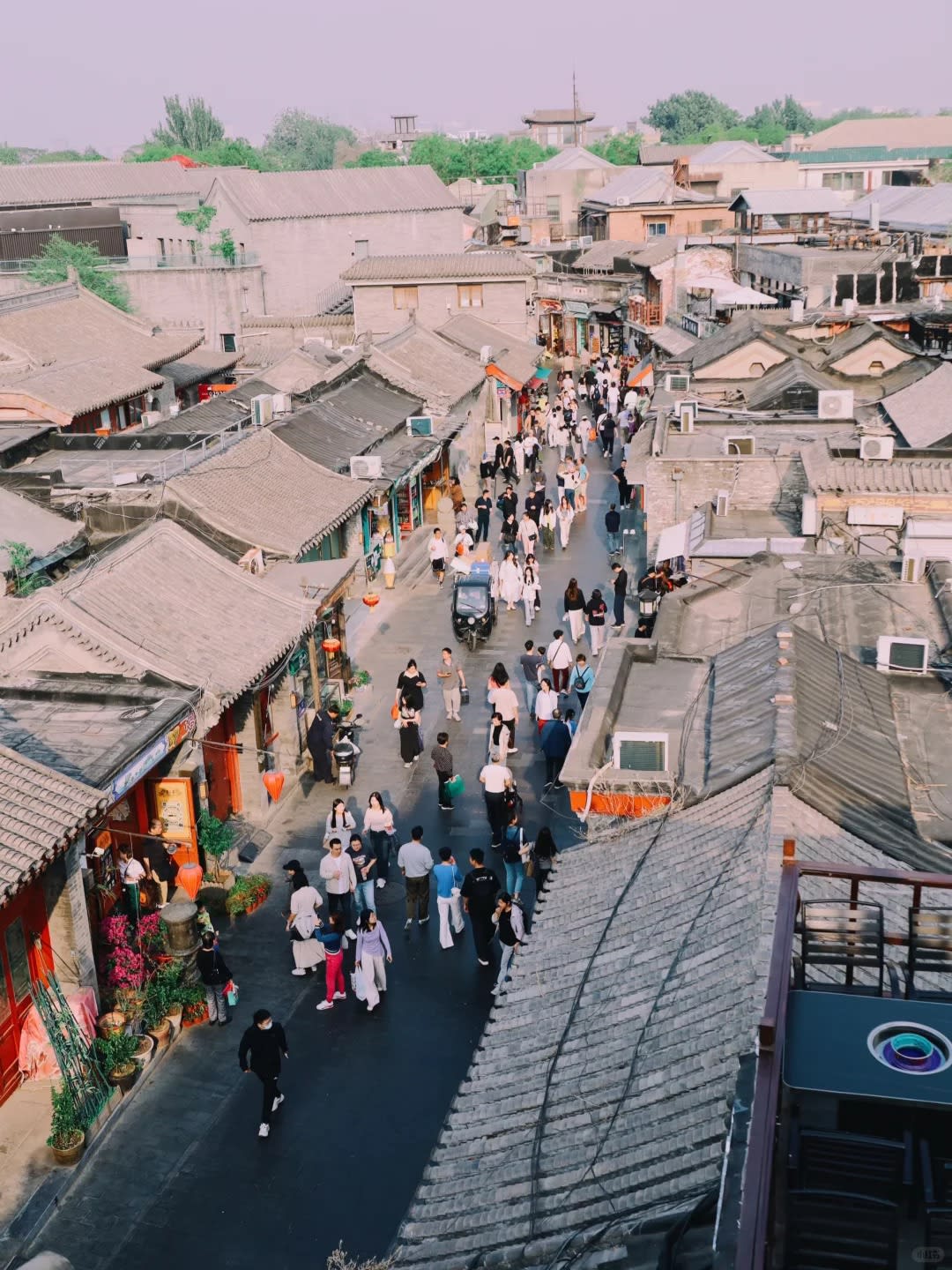
Known as “Tobacco Pipe Street,” this diagonal alley is where the Qing Dynasty elite came to shop. Today, it’s a vibrant place to grab a quick, crispy snack like candied hawthorn (冰糖葫芦 bīngtáng húlu). If you are looking for a view, head to the third floor of one of the terrace bars—just buy a drink and enjoy the panorama as the light hits the ancient street signs.
8️⃣ Shichahai (什刹海 Shíchàhǎi) & Houhai (后海 Hòuhǎi)
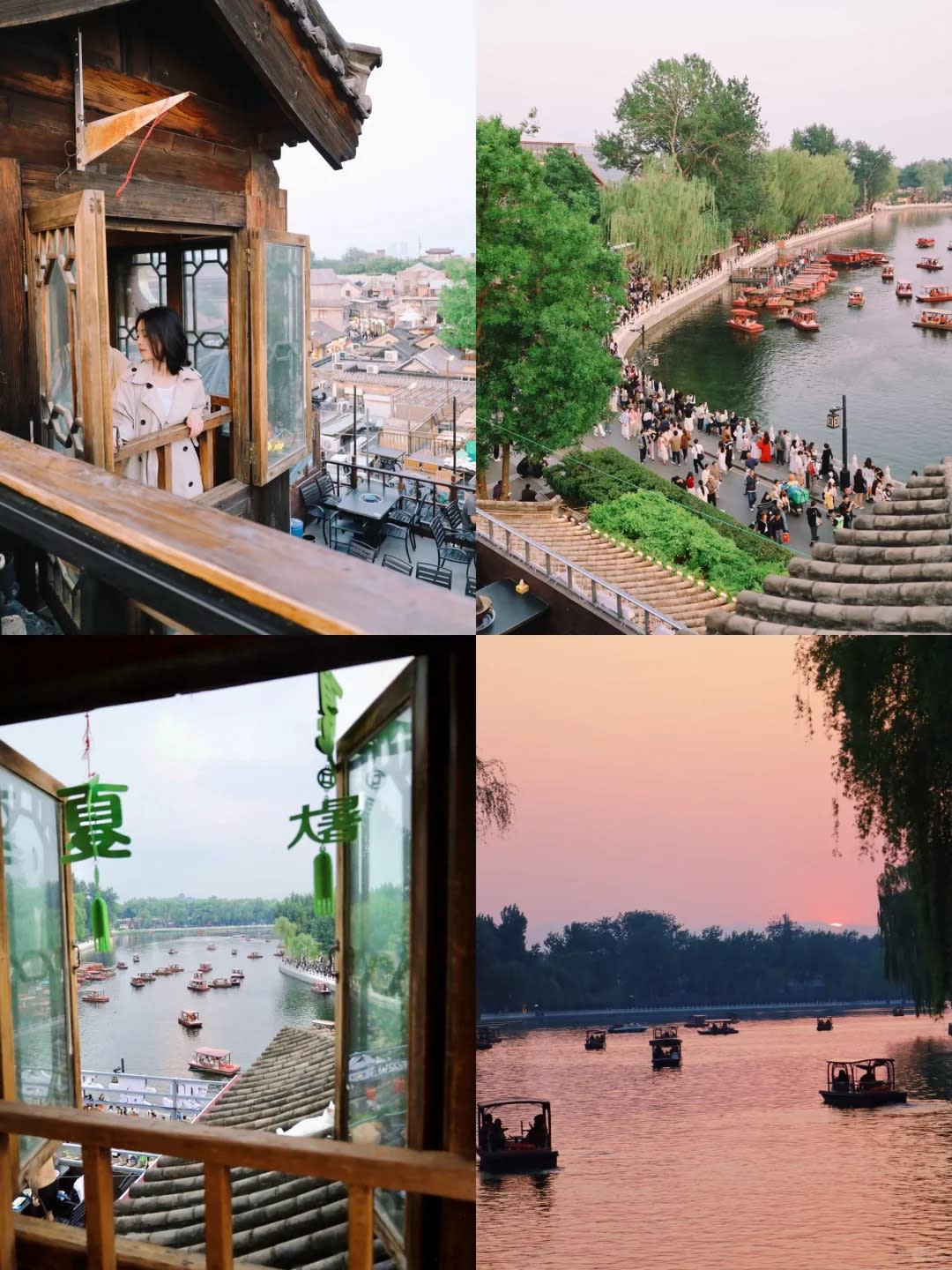
As evening falls, the lake area transforms into Beijing’s “Venice.” The sunset here, reflecting off the water and the traditional courtyard roofs, is the single most photographed moment in the city. Rent a small paddle boat if the weather is warm, or just pull up a chair at a lakeside cafe and watch the city drift into the blue hour.
💰 Budget Estimate
| Category | Cost (RMB) | Cost (USD) |
| Subway Transit | ¥20 | $2.80 |
| Attraction Tickets | ¥62 | $8.70 |
| Food & Drinks | ¥200 | $28.00 |
| Souvenirs | ¥60 | $8.50 |
| TOTAL | ~¥342 | ~$48.00 |
If you’re visiting Beijing, this walk is more than just sightseeing—it is your entry point into the city’s soul. Take your time, chat with the locals (they are often quite happy to practice their English), and let the layers of history unfold. This is the Beijing that will stay with you long after you’ve returned home.
If you found this guide helpful, check out my Curator’s Guide to 5 Water Towns Near Shanghai for your next adventure, or brush up on how to say ‘no’ without losing face to handle those bustling markets like a pro.
Disclaimer: As an Amazon Associate, ChinaCurator earns from qualifying purchases.