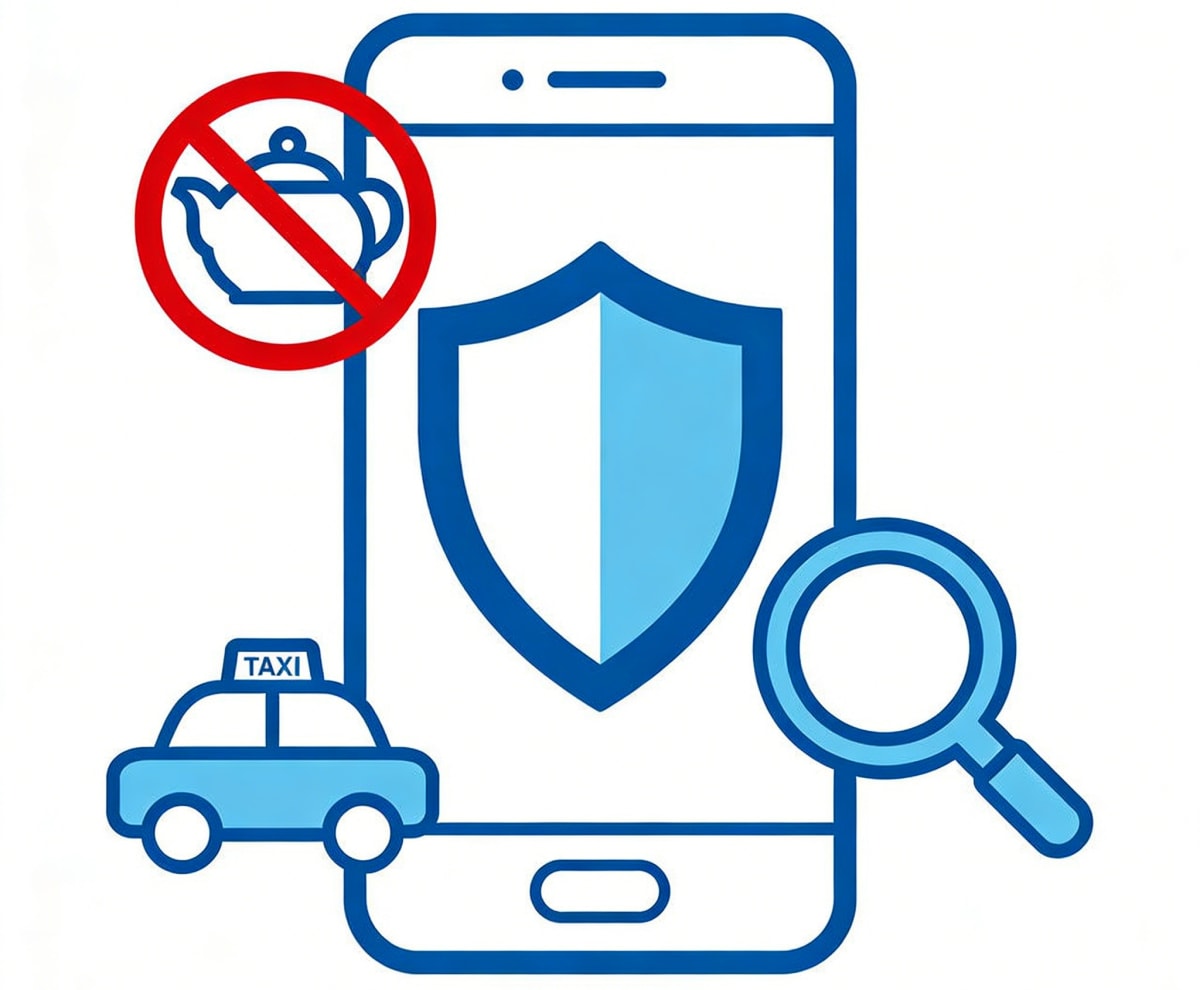

If you are setting foot in China in 2026, I have some excellent news to share: the country is, without a doubt, one of the safest destinations on the planet for international travelers. Having spent considerable time navigating the labyrinthine alleys of Beijing and the gleaming boulevards of Shanghai, I can tell you that the sensation of walking alone at 2:00 AM—with nothing but the glow of distant streetlamps and the hum of a passing electric scooter for company—is a uniquely peaceful experience. Violent crime is remarkably rare, and the public safety infrastructure is among the most robust in the world.
However, safety does not equate to complete immunity from the universal human tendency toward mischief. As with any high-traffic global destination, “tourist traps” exist, thriving in the places where wide-eyed travelers congregate. As a digital nomad or an adventurous visitor, you likely value efficiency, transparency, and the integrity of your hard-earned budget. This guide isn’t here to scare you; it’s here to act as your digital compass, helping you identify red flags before they turn into headaches, allowing you to immerse yourself fully in the magic of the journey.
1. The Perils of the “Friendly Student” Encounter
The most infamous social scam in China often takes place in the most picturesque areas, such as the historic Bund in Shanghai or the vibrant, history-steeped lanes of Wangfujing in Beijing.
The Approach: It starts with a warm, disarming smile. A well-dressed couple, or perhaps two self-proclaimed “art students,” will approach you with a polite request. They might ask if you could help them take a photo or if you would be open to practicing English for just a few minutes. They are charming, polite, and seem genuinely interested in your perspective as a foreigner.
The Hook: Once they have gained your trust, they will suggest a detour. They might mention a “traditional tea ceremony” happening nearby, or perhaps a secret “art gallery” filled with contemporary pieces that you absolutely must see. They are going that way, they claim, and would love for you to join them.
The Sting: You arrive at a tucked-away, seemingly nondescript tea house. You share a few cups of tea, engage in pleasant small talk, and feel that you’ve made genuine local connections. Then, the reality check hits: the bill arrives. It is staggering, often ranging from 3,000 to 5,000 RMB ($400–$700). The “friends” suddenly have an urgent appointment and vanish, leaving you alone with a host—and occasionally large “security guards”—who insist the bill be paid in full.
How to Avoid: The rule is simple: never follow a stranger to a secondary location. If someone approaches you on the street with an unsolicited invitation to a cafe, bar, or tea house, just offer a polite, firm “No, thank you,” and continue your walk. Keep your navigation apps open and stay on your intended path.

2. Navigating the Concrete Jungle: Black Taxis vs. The Digital Grid
Stepping out of an international airport or a high-speed rail station can be overwhelming. You might be greeted by a cacophony of voices, with individuals shouting “Taxi!” or “Hotel!” in your direction.
The “Black Taxi” (黑车 hēichē): These are unlicensed, unofficial private vehicles. They operate entirely outside the regulatory system. They lack functioning meters and will almost certainly try to overcharge you by three to five times the standard rate. Worse, they may claim your hotel is “closed” or “fully booked” to steer you toward a guesthouse that pays them a commission.
The 2026 Solution: As I frequently emphasize in my guide to digital connectivity in China, the secret to a stress-free trip is the Didi app. It provides transparent pricing, a GPS-tracked route, and driver identification. If you absolutely must take a physical taxi, walk past the touts and go directly to the designated, marked “Taxi Stand.” Before the wheels start turning, confirm with the driver that they will start the meter (dǎbiǎo). If they refuse, step out immediately—there will always be another driver happy to play by the rules.
3. The “Authentic Artifact” Myth
The lure of the antique market is undeniable. The scent of aged wood, the texture of weathered jade, and the weight of history—China’s culture of wenwan (literati collectibles) is profound. But please, be cautious.
The Scam: A vendor in a street market might invite you into their shop, pointing to a gourd, a string of beads, or a jade pendant. They will swear on their ancestors that it is a “rare Qing Dynasty heirloom” being offered at a “friendship price” just for you.
The Reality: The vast majority of these items are mass-produced in modern factories. They are designed to look old, distressed, and valuable to the untrained eye. If you truly wish to explore the meditative art of Wenwan, do so through reputable, specialized galleries or professional collectors where you can receive an authentic appraisal.
4. Scam vs. Reality: Your Essential Reference Table
| The Situation | Red Flag | The Smart Alternative |
|---|---|---|
| Street Interactions | Strangers pressuring you to join them for tea or a gallery tour. | Offer a polite, brief smile, say "No," and keep moving. |
| Antique Shopping | "One-day only" government-sponsored jade sales. | Shop at established, reputable department stores. |
| Transportation | Driver claims the meter is "broken" or offers a flat fee. | Exit the vehicle, use your Didi app. |
| Dining Out | A menu presented to you without any prices listed. | Ask Duōshao qián? (How much?) before placing an order. |
5. Emergency Preparedness
While the likelihood of needing them is minimal, knowing your resources is part of traveling with confidence.
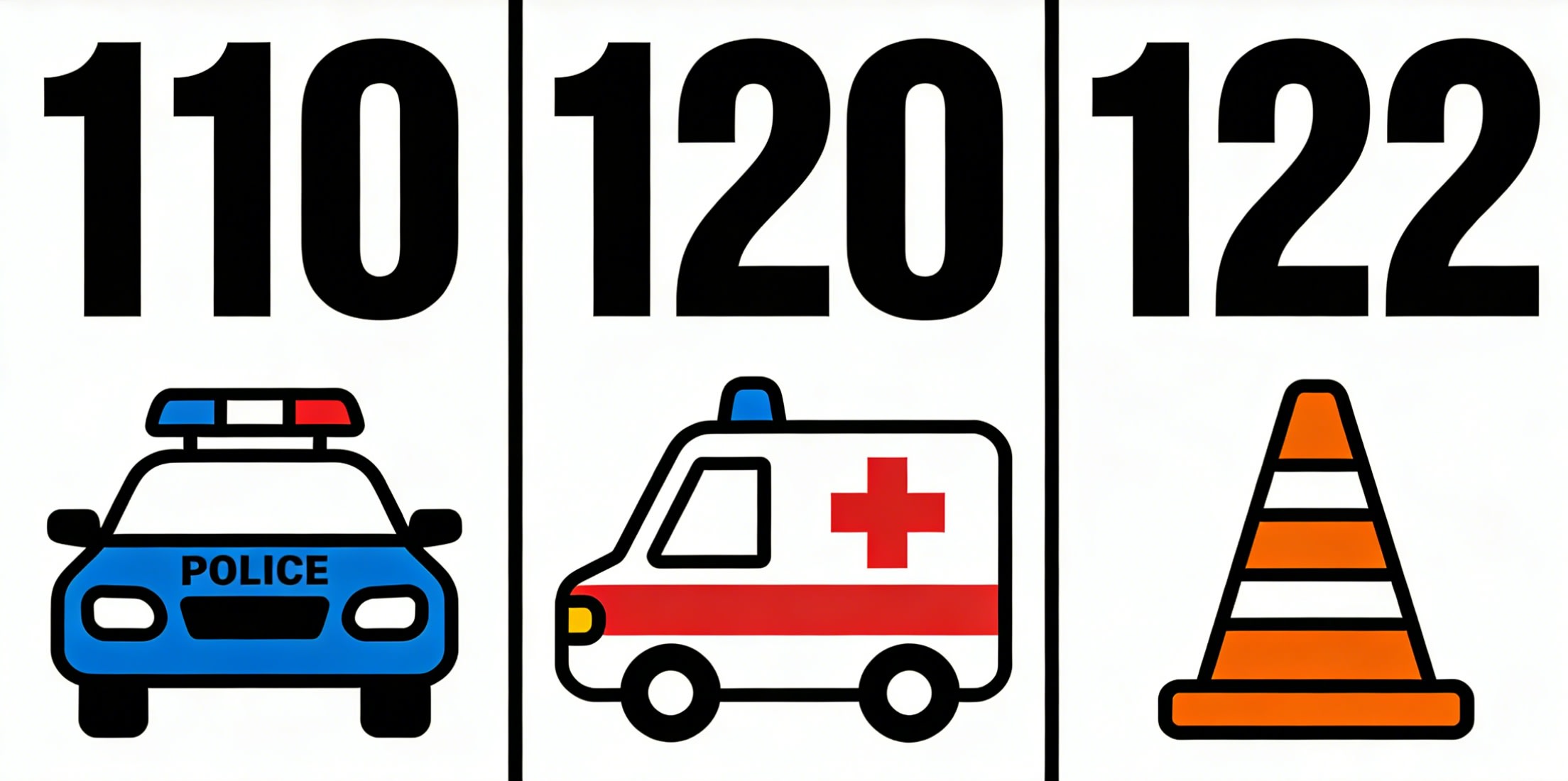
- 110: The Police. In major metropolitan centers, there are often dedicated operators who can communicate in English.
- 120: Medical Emergency / Ambulance. Keep this in your contacts along with your insurance information.
- 122: Traffic Accidents. If you are ever involved in a vehicle dispute, this is your primary point of contact.
Final Curatorial Thoughts
Traveling through China is a life-changing experience, characterized by immense hospitality and technological convenience. Most of the “scams” you might encounter are simply attempts to inflate the price of a souvenir or a taxi ride. By anchoring yourself to the digital tools of the modern age, you effectively bypass 90% of the friction points that travelers used to face.
Stay aware, trust your instincts, and keep an open mind. The vast majority of the people you meet will be eager to share the best of their culture with you. Ready to explore with total peace of mind? Make sure you’ve mastered the must-have apps for 2026 before you pack your travel suitcase.
Disclaimer: As an Amazon Associate, ChinaCurator earns from qualifying purchases.