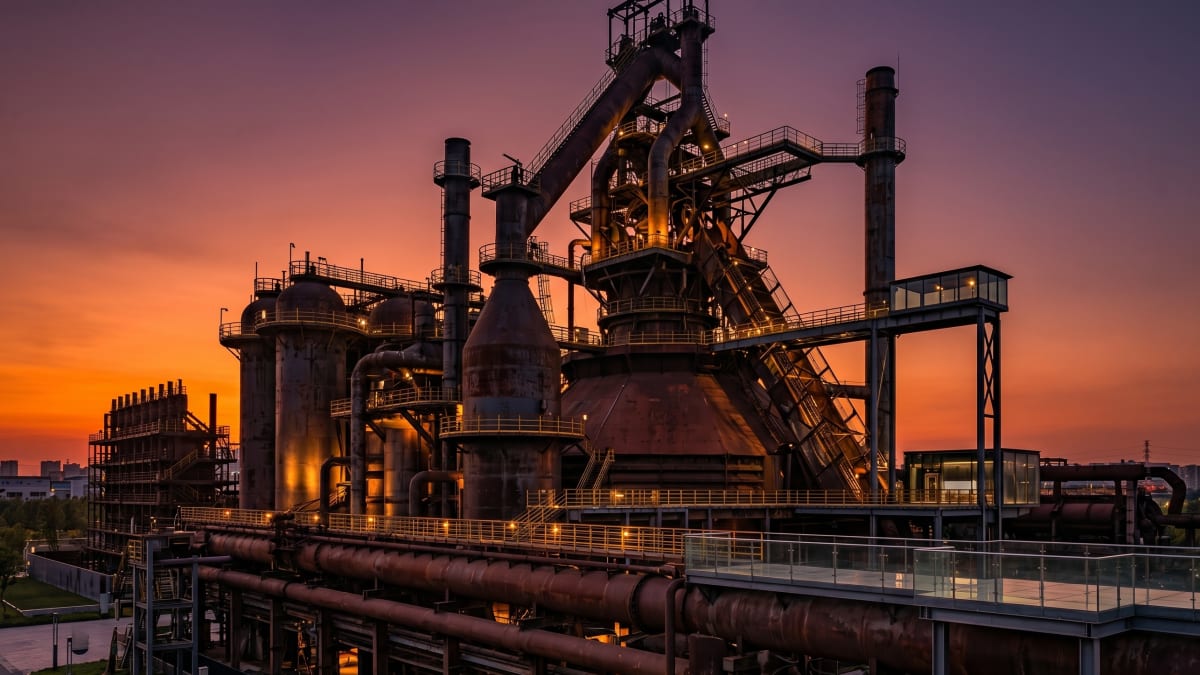
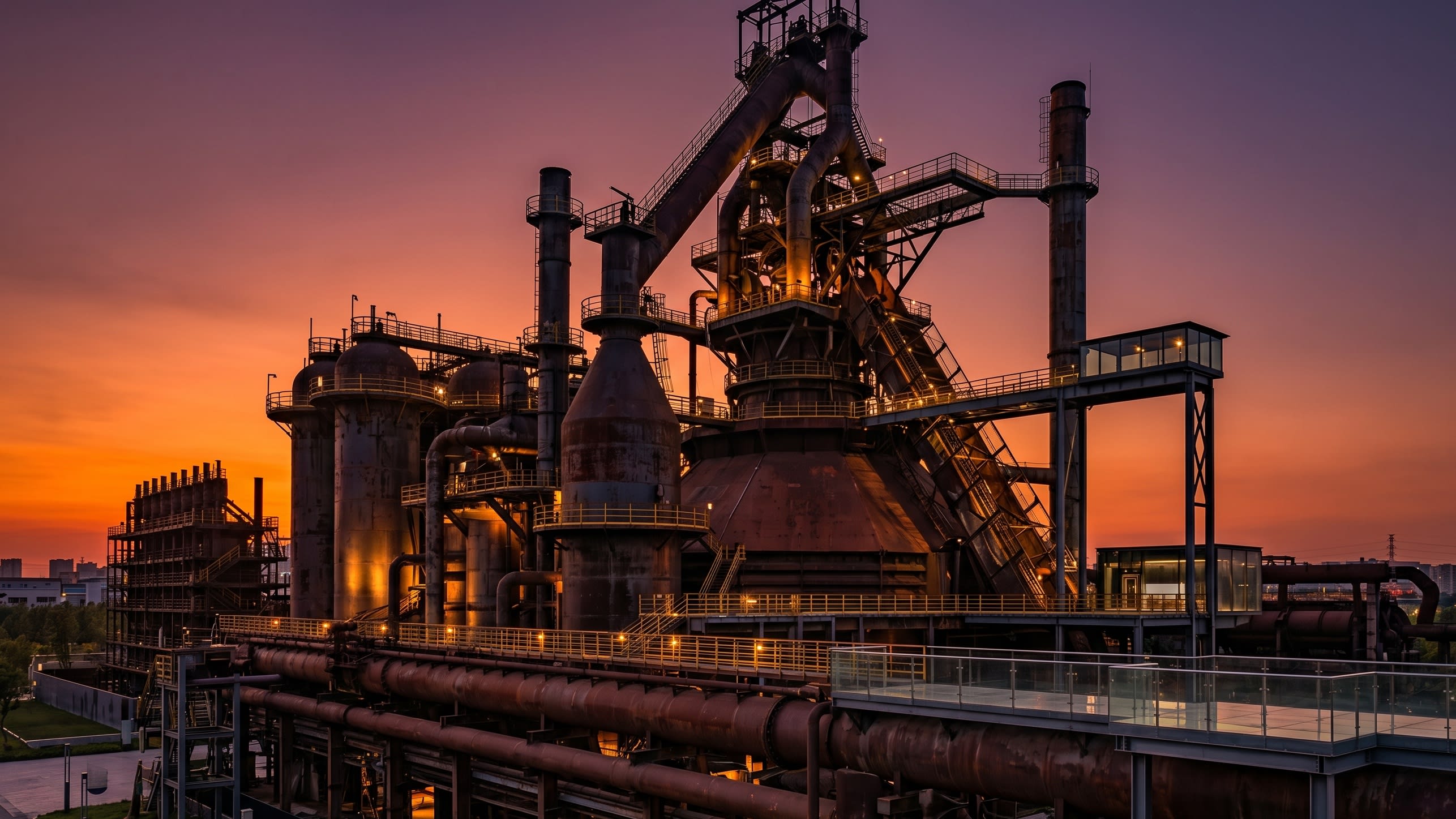
“There is a unique beauty in rust and riveted steel that a marble temple can never replicate. It is the raw aesthetic of Scale (尺度 - chǐ dù), a testament to the sheer human effort and rhythmic clanging that once served as the heartbeat of a rising nation. In 2026, China’s Industrial 5A and Heritage Sites (工业遗产景区 - gōng yè yí chǎn jǐng qū) have evolved from heavy-smoking factories into the world’s most compelling ‘Cyber-Ruins.’ As a curator of the unexpected, I invite you to step past the usual tourist gates and stand in the shadows of the Steel Giants (钢铁巨兽 - gāng tiě jù shòu) that forged modern China.”
The 2026 “Rust-Belt” Renaissance
For decades, we treated industrial zones as eyesores to be hidden away. But in 2026, the trend has flipped completely—these are now the places where the most curious travelers gather. We are witnessing a peak in Retro-futurism (复古未来主义 - fù gǔ wèi lái zhǔ yì). The visceral contrast between a 100-meter-high rusted blast furnace and the clean, polished glass of a minimalist cafe creates a visual tension that is impossible to ignore.
Whether you are tracing the roots of the industrial heartlands in Shenyang (沈阳 - shěn yáng) or seeking a deeper understanding of the “Hardcore” (硬核 - yìng hé) soul of this country, these sites are essential.
I remember my first visit to a decommissioned steel plant; the scent of oxidized iron and damp concrete hung heavy in the air, instantly transporting me back to an era of grit and ambition. It felt less like a museum and more like a time capsule that refused to stay closed.
Phase 1: Shougang Park – The Cyberpunk Fortress (北京首钢园)
If you have time for only one industrial pilgrimage, make it Shougang Park. This massive former steel mill in Beijing has been meticulously transformed into a global gold standard for urban renewal, weaving together history and modern leisure.
The Visual Shock
The star here is undoubtedly the No. 3 Blast Furnace (三号高炉 - sān hào gāo lú). It stands as a labyrinthine monument of piping, red-rust patinas, and steel scaffolding.
- The Experience: I highly recommend walking the aerial catwalks. They were once the veins of the factory, carrying iron ore high above the ground. Below you, the cooling pools have been repurposed into the serene and crystal-clear Qunming Lake.
- Pro Tip: Time your visit for late afternoon. As the sun dips behind the smokestacks, the architectural lighting ignites, transforming the park into a scene from a high-budget sci-fi epic. It is the perfect marriage of ‘Yanhuoqi’ (烟火气 - the vibrant vibe of human life) and heavy industrial architecture.
Phase 2: Daye Iron Mine – The “Grand Pit” of Asia (大冶铁矿)
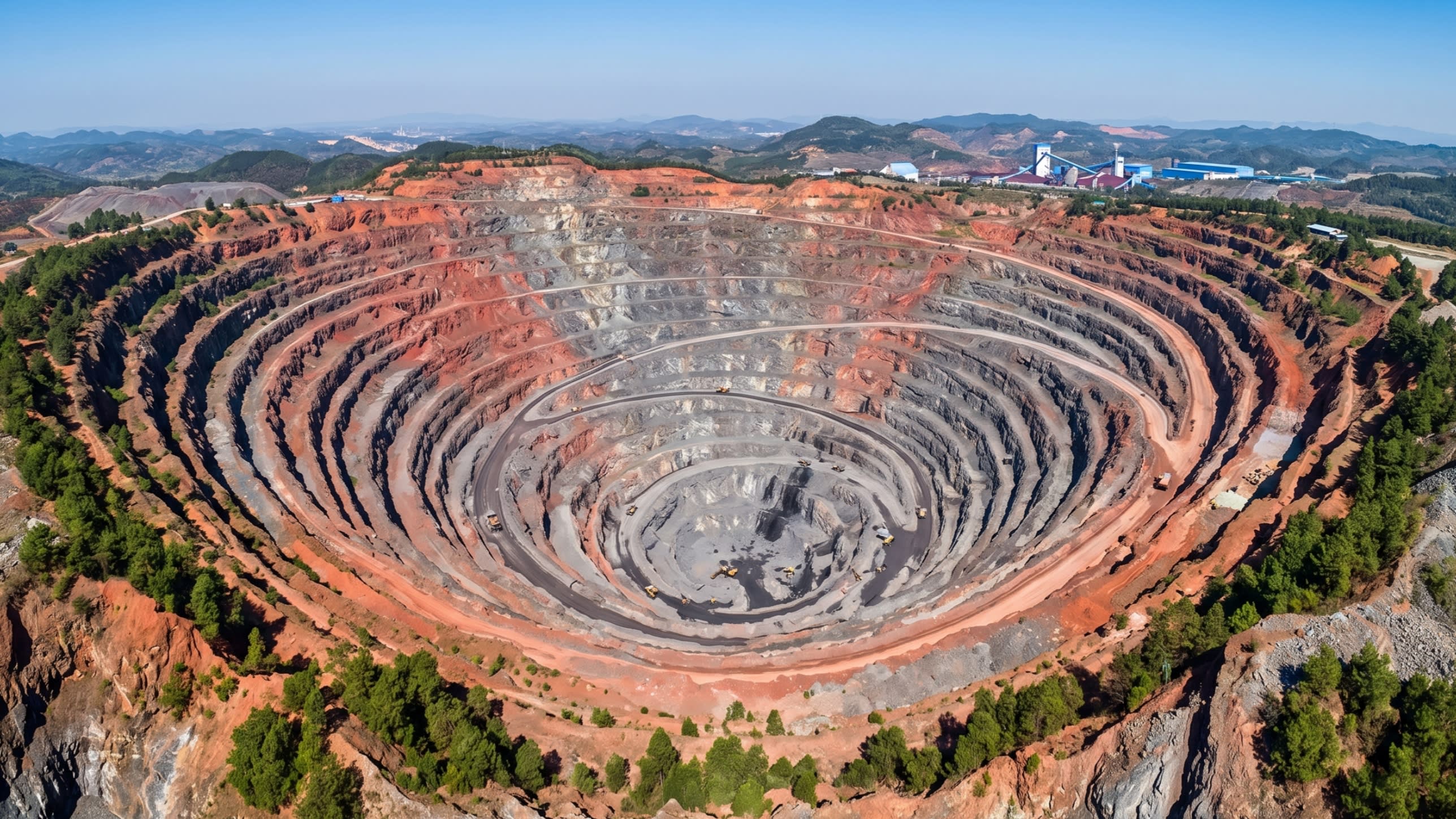
In Hubei, nature and industry have engaged in a 1,700-year tug-of-war. The result is the 5A-rated Daye Iron Mine National Park, a place that genuinely humbles the soul.
- The Colossus: The “Grand Pit” is a staggering open-pit mine. At 2,400 meters long and 444 meters deep, it feels like peering into a geological scar left by a celestial impact.
- The “Iron Garden”: Following the cessation of mining, the local community undertook an ambitious project to cover the rocky, mineral-rich slopes with thousands of locust trees. I find that a wide-angle lens is essential for capturing the full scope of the pit, as it defies the human eye’s ability to take in the sheer volume of space.
- Ecological Restoration: The “Green-over-Grey” aesthetic serves as a profound symbol of how history can heal. It is a quiet, contemplative place, far removed from the neon lights of the cities.
Phase 3: Zigong Shenhai Well – The Ancient Genius (自贡燊海井)
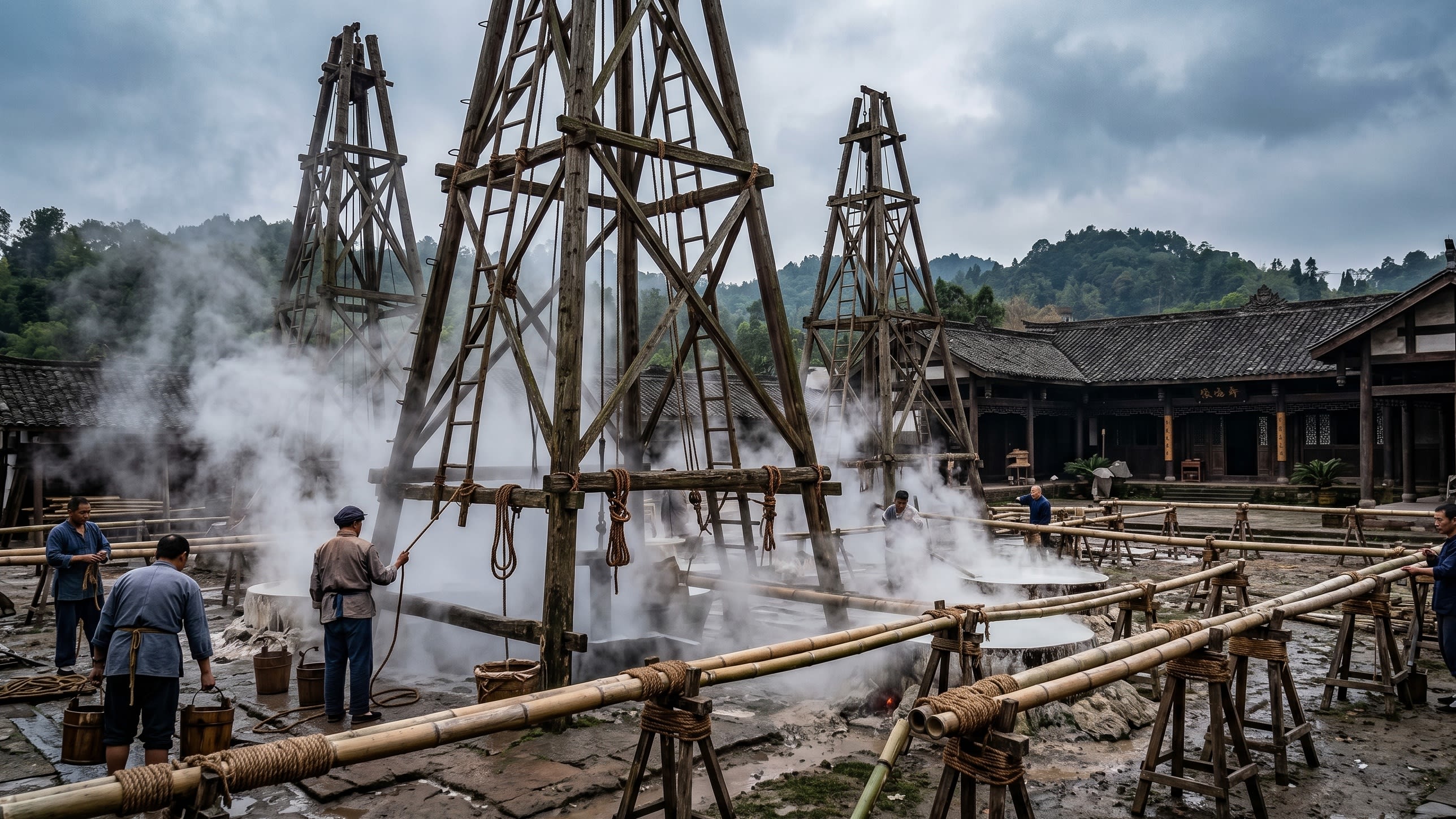
Not all industrial giants are forged of 20th-century steel. In Sichuan, Zigong offers an incredible look into the 19th-century “High-Tech” world of salt mining.
- The World’s First: The Shenhai Well (燊海井 - shēn hǎi jǐng) achieved what was once thought impossible: it broke the 1,000-meter depth barrier way back in 1835.
- The Mechanism: The towering wooden derricks and the intricate bamboo piping systems are a masterclass in ancient engineering. Even in 2026, you can witness the traditional salt-boiling process. Walking through the steam-filled workshops feels like stepping into a historical film, with the warm, humid air smelling faintly of brine and wood smoke.
Comparison: Top Industrial Heritage Hubs (2026 Edition)
The Industrial “Cool” Life: Coffee in the Ruins
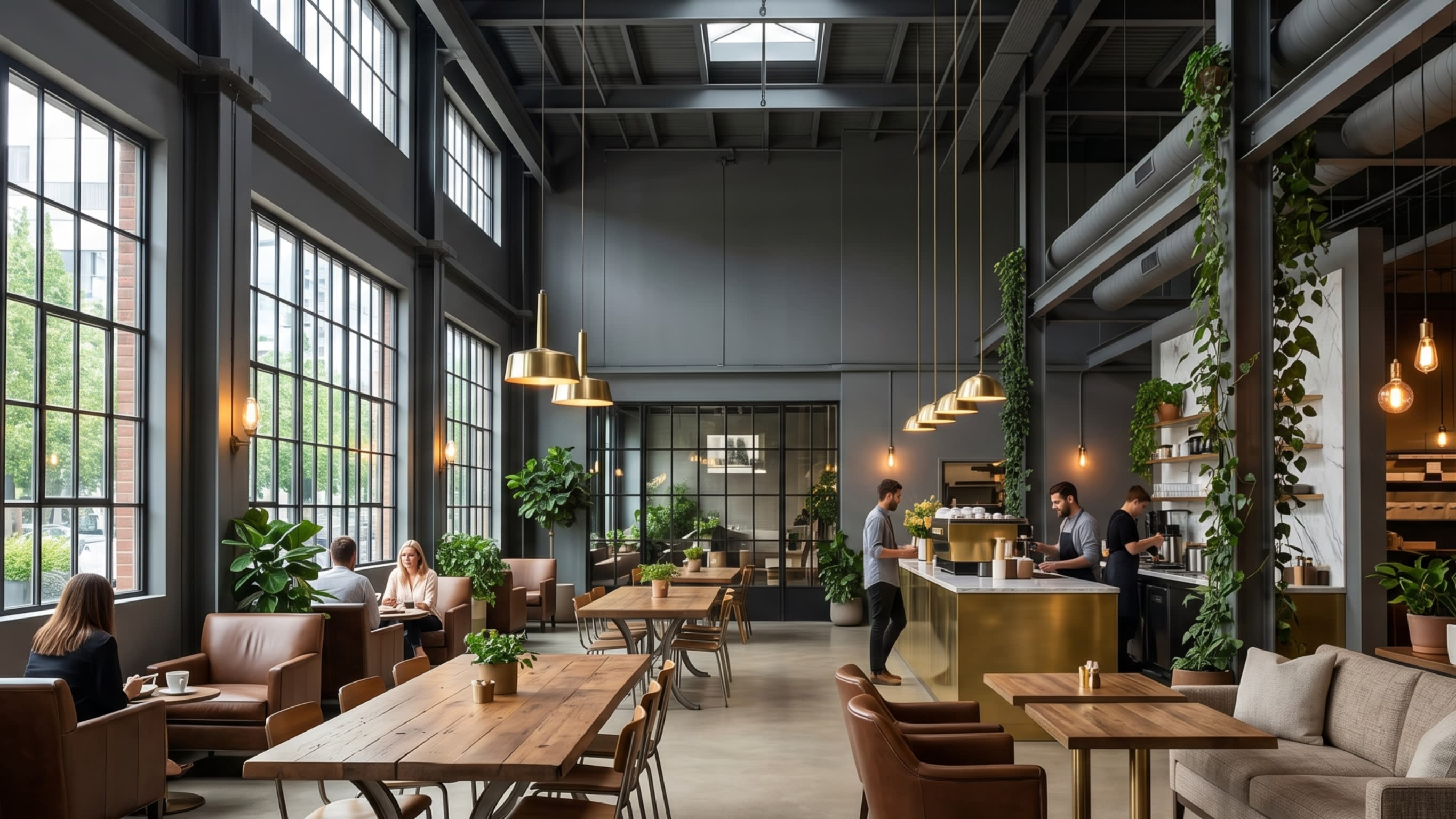
In 2026, the ultimate way to appreciate these sites is to settle into a ‘Ruins Cafe’ (废墟咖啡馆 - fèi xū kā fēi guǎn).
- The Design: Expect brutalist concrete counters, furniture crafted from reclaimed factory valves, and floor-to-ceiling windows overlooking rusted infrastructure.
- The Experience: I love ordering a cold brew here. Watching the light filter through the complex pipe networks offers a moment of meditation on time, human persistence, and the elegance of utility. If you enjoy this blend of history and modern design, consider learning more about how China’s 5A cultural streets are keeping heritage alive.
Fueling the Steel Soul: Hardcore Northeast BBQ

You cannot truly visit the industrial heartland of Anshan (鞍山 - ān shān) without eating like a local steelworker.
- Anshan BBQ (鞍山烧烤 - ān shān shāo kǎo): The Northeast is the undisputed kingdom of skewers. After a day wandering the mills, the smokey, cumin-heavy air of a street stall is the ultimate reward.
- Iron Pot Stew (铁锅炖 - tiě guō dùn): This dish features a massive iron pot set in the middle of the table, bubbling with fish, corn, and fluffy dough cakes steamed right on the rim.
- My Take: When I’m in the Northeast, I don’t just eat; I lean into the ‘Hao Shuang’ (豪爽 - bold/generous) spirit. The food here is hardy, unpretentious, and designed to keep you warm. You must try the grilled silkworm chrysalis—it might look daunting, but the nutty, rich flavor is a local delicacy for a reason.
Traveler’s Language Survival Table (Industrial Edition)
Final Thoughts from Haoran
Exploring China’s industrial heritage in 2026 is an exercise in respect. It reminds us that long before the digital age, the world was built by hand, hammer, and fire. When you stand under the shadow of a Steel Giant, you aren’t just looking at weathered metal; you are looking at the skeleton of the future.
Don’t look for sterile perfection here. Embrace the rust, the cracks, and the stories they hold. In these industrial parks, the past doesn’t simply fade—it finds a much cooler, more evocative way to exist. If you’re planning your trip, remember that navigating China’s high-speed rail is the best way to bridge the distance between these spectacular icons.
Disclaimer: As an Amazon Associate, ChinaCurator earns from qualifying purchases.