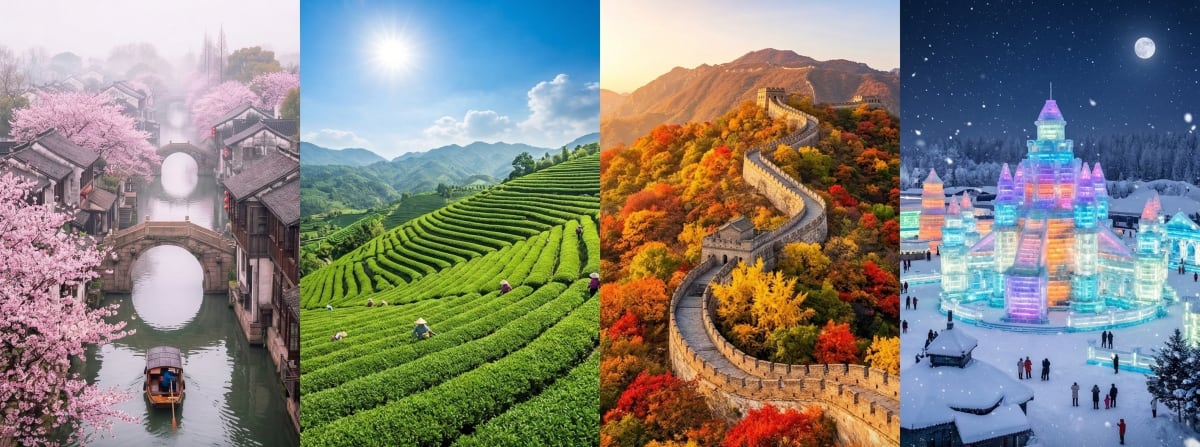
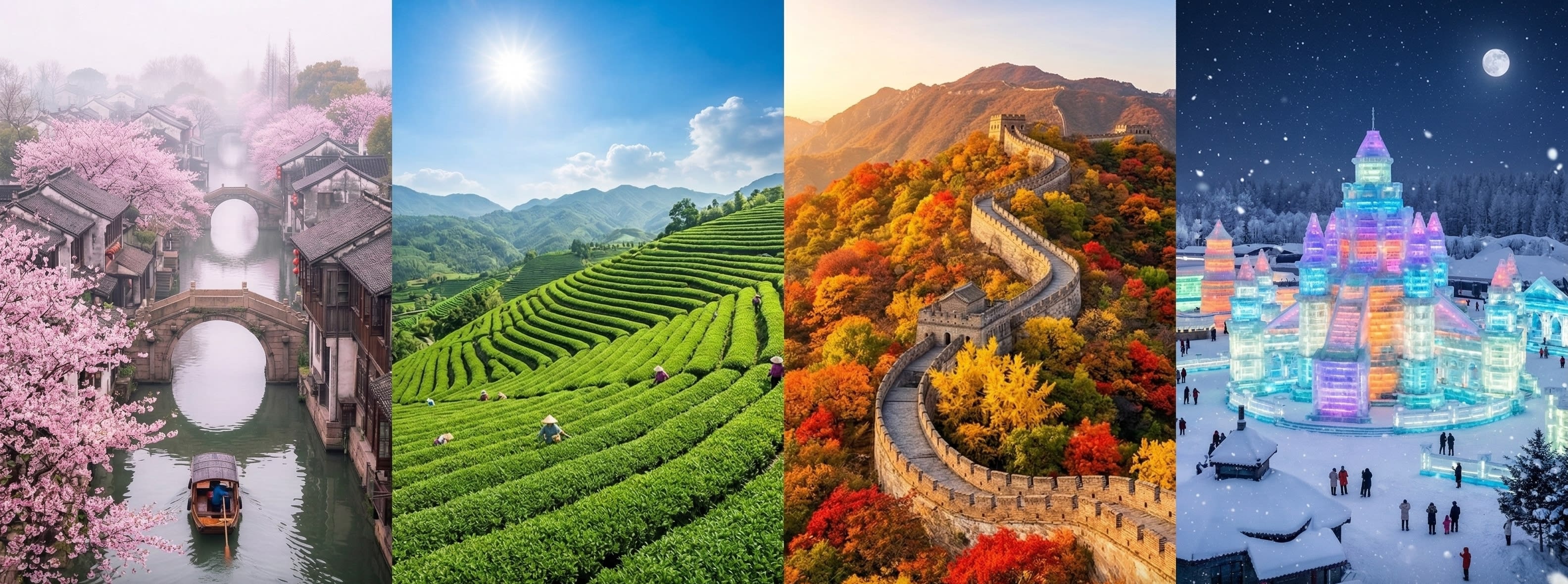
China is not merely a destination; it is a continent-sized tapestry of experiences. Because of its sheer geography, deciding when to go is just as critical as deciding where to go. In 2026—the Year of the Horse—timing your trip with precision can mean the difference between standing in meditative silence within a misty bamboo forest and being swept away by a literal sea of humanity. This guide is your personal compass for 2026, designed to help you navigate the interplay of regional climates, traditional festivals, and the logistics of the world’s largest travel migrations.
🧭 1. The Three Golden Rules of Timing
To plan a trip that feels less like a logistical marathon and more like a discovery, you must balance three competing factors:
- Weather (气候 Qìhòu): From the sub-arctic chill of the northern reaches to the humid, tropical pulse of the South China Sea, China’s climate is wildly varied.
- Festivals (节日 Jiérì): These moments offer a window into the cultural soul of the nation, but they demand careful navigation.
- Crowds (人潮 Réncháo): Understanding the “Golden Week” peaks is the single most important step for maintaining your peace of mind while traveling.
🌡️ 2. Seasonal Breakdown: When to Go Where
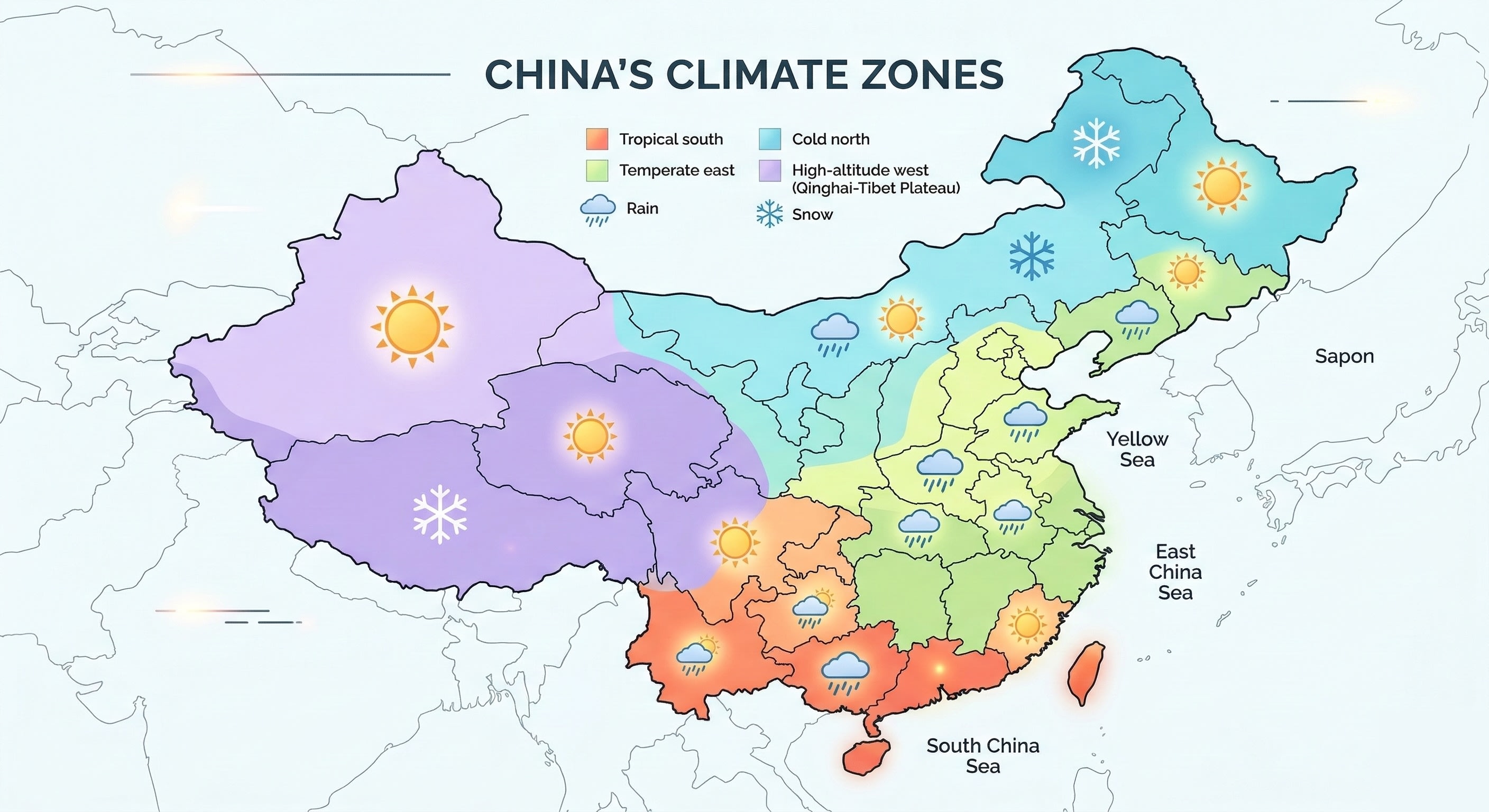
Before pinning dates to your calendar, recognize that China functions like a collection of different worlds. A flight from Harbin in the north to Sanya in the south during winter is effectively a journey from the frozen Arctic to the lush Tropics.
Spring (March – May): The Season of “Misty Rain”
Spring is, in my experience, the most lyrical time to travel, particularly through Central and Southern China.
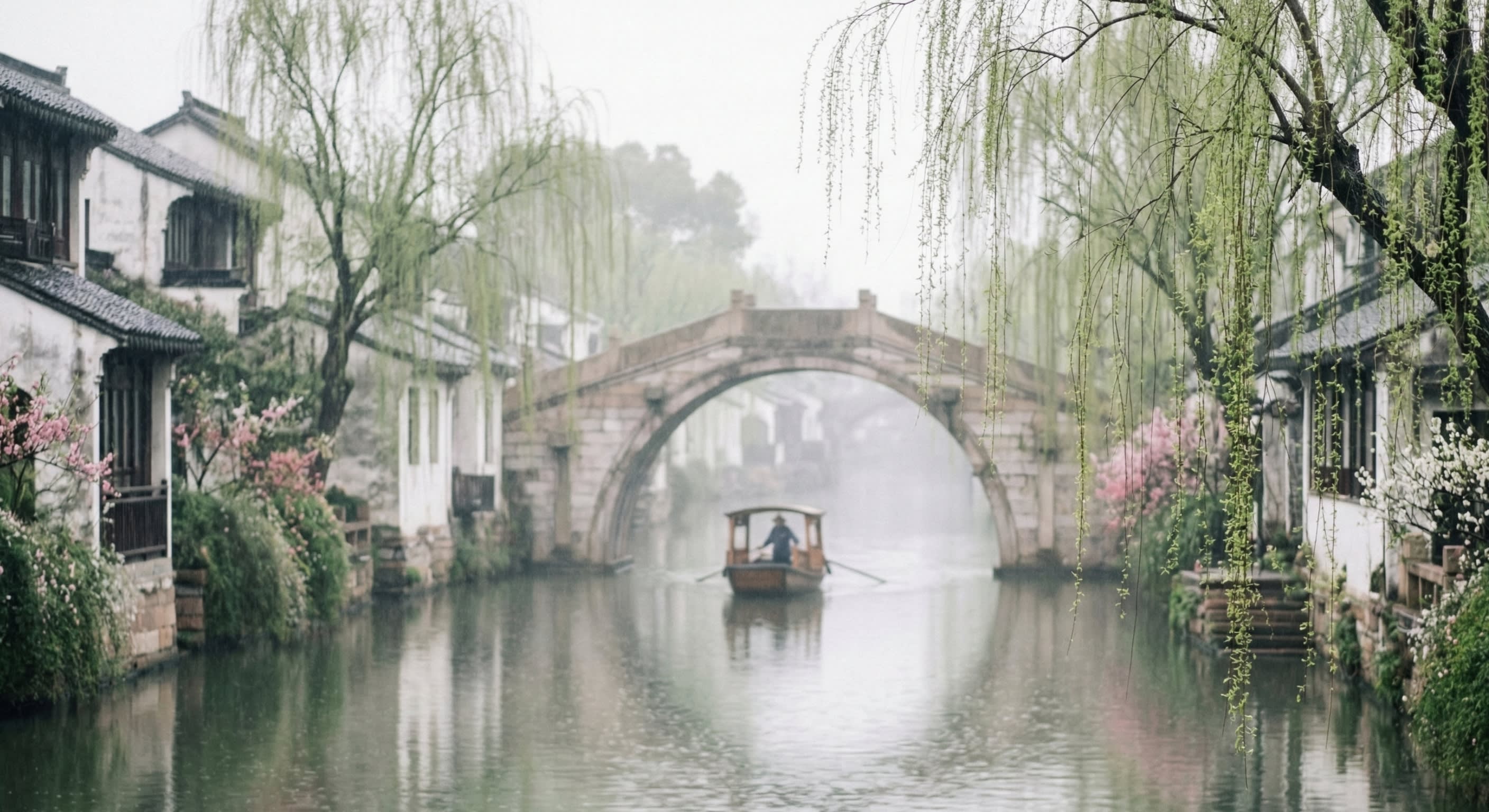
- The Experience: This is the realm of Jiāngnán yānyǔ (江南烟雨)—the romantic, ethereal rain that blankets the ancient water towns. As the willow trees begin to bud and flowers burst into color, the landscape feels reborn.
- Top Destinations: Hangzhou, Suzhou, and the golden canola fields of Wuyuan.
- Pro Tip: If you find yourself in the tea regions in early April, make sure to seek out Míngqián chá (明前茶). It is the season’s first harvest, incredibly delicate, and carries the fragrance of the early spring earth.
- Read more: Chasing Spring: A Guide to Ancient Towns and Tea Picking.
Summer (June – August): High Altitudes and Green Grasslands
While the major cities—what locals often call the “Four Furnaces”—become sweltering, summer is the golden window for China’s wild, high-altitude west.
- The Experience: Think brilliant, sharp sunlight and vast, rolling carpets of emerald grass.
- Top Destinations: Tibet, the Xinjiang grasslands, and the towering, surreal rock formations of Zhangjiajie.
- Warning: If you aren’t fond of heavy humidity, I strongly advise skipping Beijing, Shanghai, or Guangzhou in August. Instead, do as the locals do and head to the mountains for Bìshǔ (避暑), a literal “avoidance of heat.”
Autumn (September – November): The “Sweet Spot”
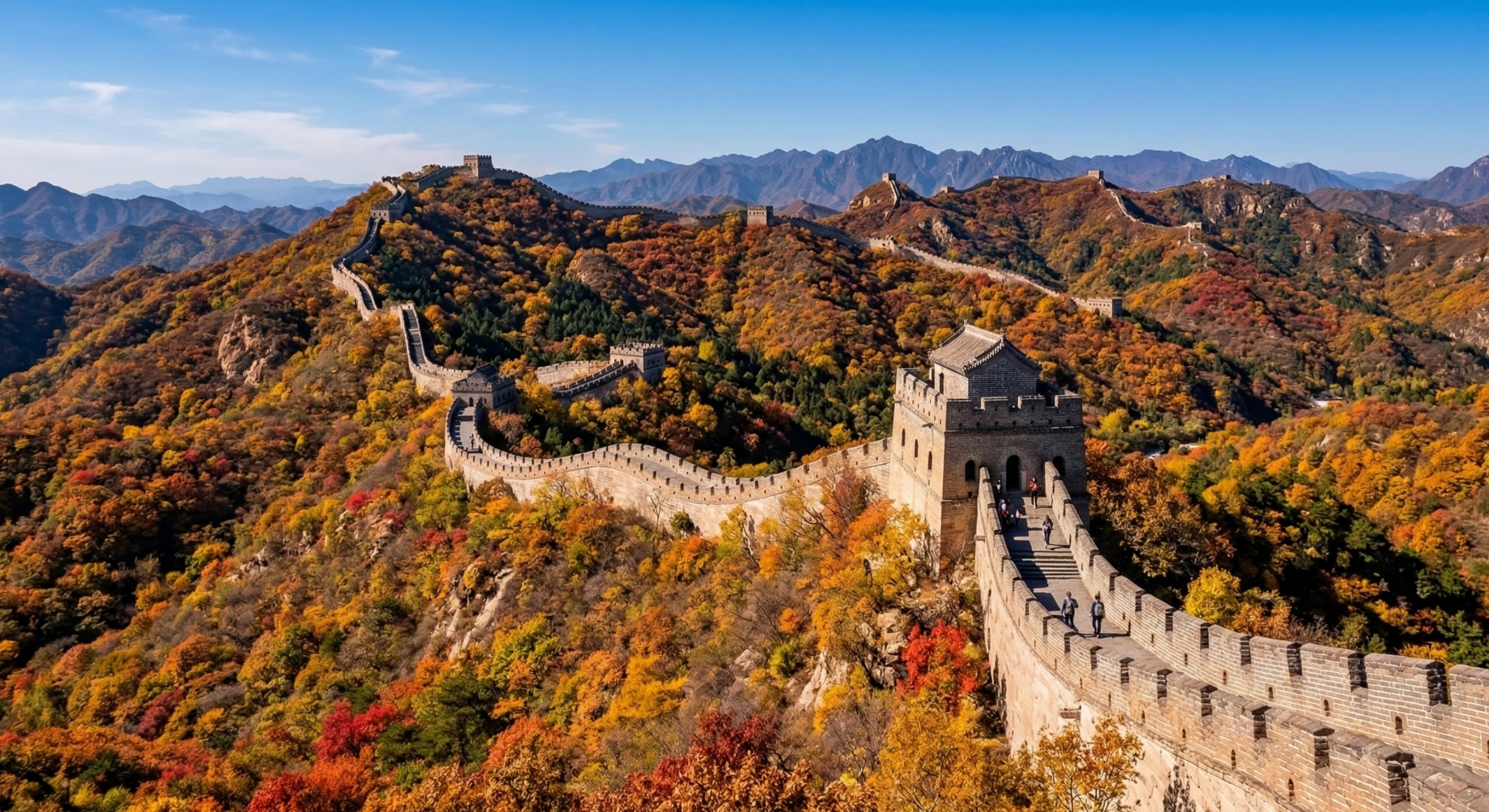
If I had to recommend one time for a first-timer, it would be autumn. The Chinese describe this weather as Tiāngāo qìshuǎng (天高气爽)—the sky is high, and the air is invigoratingly crisp.
- The Experience: The temperatures are perfect for hiking, the sky is a piercing, deep blue, and the foliage turns into a burning palette of gold and crimson.
- Top Destinations: The Great Wall, the tiered lakes of Jiuzhaigou, and the historic streets of Xi’an.
- Read more: Autumn Heights: The Best Mountains to Climb in October.
Winter (December – February): Fire and Ice
Winter is a game of extreme contrasts, or what we call Bīnghuǒ liǎngtìnyán (冰火两重天)—the duality of ice and fire.
- The Experience: You can spend your morning shivering in a crystalline, frozen fairyland in the north and your evening lounging on a tropical beach in the south.
- Top Destinations: The icy architecture of Harbin, the slopes of Changbai Mountain, or the sunny shores of Sanya.
- Read more: Winter Magic: Harbin and Tropical Escapes.
🏮 3. The 2026 Festival Calendar
Traditional Chinese festivals are anchored to the lunar calendar, causing their dates to shift annually. Here is the schedule for the Year of the Horse:
| 2026 Festival | Date | Cultural Soul & Tips |
|---|---|---|
| Spring Festival | Feb 17 | The "Great Migration." Expect packed trains during Chūnyùn. |
| Lantern Festival | Mar 03 | A dazzling light carnival. Best experienced in Nanjing. |
| Qingming Festival | Apr 05 | Tomb sweeping and celebrating spring renewal. |
| Dragon Boat Festival | June 19 | Thrilling boat races; be sure to try the sticky rice Zongzi. |
| Mid-Autumn Festival | Oct 01 | Overlaps with National Day—expect significant crowds. |
| Double Ninth Festival | Oct 18 | A traditional day for hiking and honoring family elders. |
🚫 4. The “Crowd Warning”: Avoiding the Golden Week
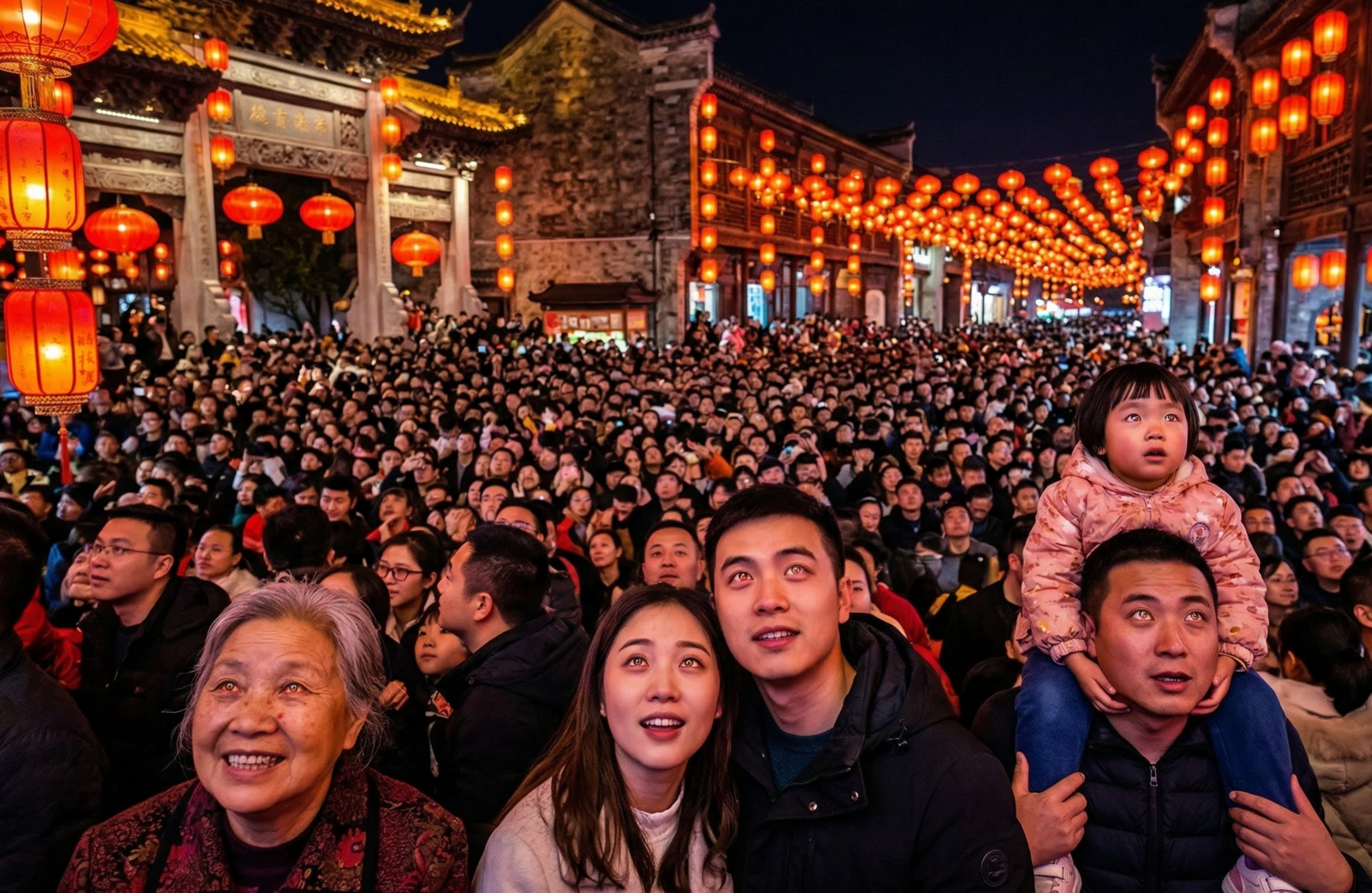
The most common trap for first-time travelers is arriving at a major landmark during a Huángjīnzhōu (黄金周)—the “Golden Week.” These occur during the Spring Festival and the first week of October.
During these times, the nation hits the road. We describe it as Rénshān rénhǎi (人山人海), a “People Mountain, People Sea” situation. Queues can stretch for hours, and prices for travel spike.
My advice: If your travel dates fall during these times, consider Fǎnxiàng lǚyóu (反向旅游), or “Reverse Tourism.” Look for quieter, less-traversed cities—like those tucked away in the mountains of Guizhou—to enjoy a more authentic, peaceful experience. Explore tips for escaping the crowds here.
🚅 5. Essential 2026 Practical Logistics
- Visa-Free Entry: Many travelers can now enjoy visa-free entry for 15 or 30 days. Always confirm the latest official requirements before you pack.
- Digital Payments: China is a near-cashless society. Ensure you have Alipay or WeChat Pay configured for seamless transactions at local shops and transport stations.
- High-Speed Rail: The Gāotiě (高铁) network is the gold standard for travel here. It is often faster and more comfortable than flying. Use the official 12306 app to book your tickets 15 days in advance.
💬 6. Key Vocabulary for Planning
| Term | Pinyin | Usage |
|---|---|---|
| 人山人海 | Rénshān rénhǎi | "People Mountain, People Sea"—the perfect way to describe busy tourist spots. |
| 黄金周 | Huángjīnzhōu | "Golden Week"—major holidays to approach with a solid plan. |
| 反向旅游 | Fǎnxiàng lǚyóu | "Reverse Tourism"—choosing hidden gems over famous hotspots. |
Final Thoughts from Chen
China is a place where ancient traditions seamlessly collide with a fast-paced, high-tech future. By picking the right time, you are doing more than simply marking a calendar; you are selecting the “soul” of your adventure. Whether you are chasing the high-altitude serenity of the Tibetan summer or the warm, red-lantern glow of a northern winter, in 2026, the best time to visit is the moment you feel ready for the ride.
㊗️ Wishing you a perfectly timed and profoundly memorable journey to China!
Ready to dive deeper? Explore our month-by-month breakdowns for January, February, or the Misty Springs of March.