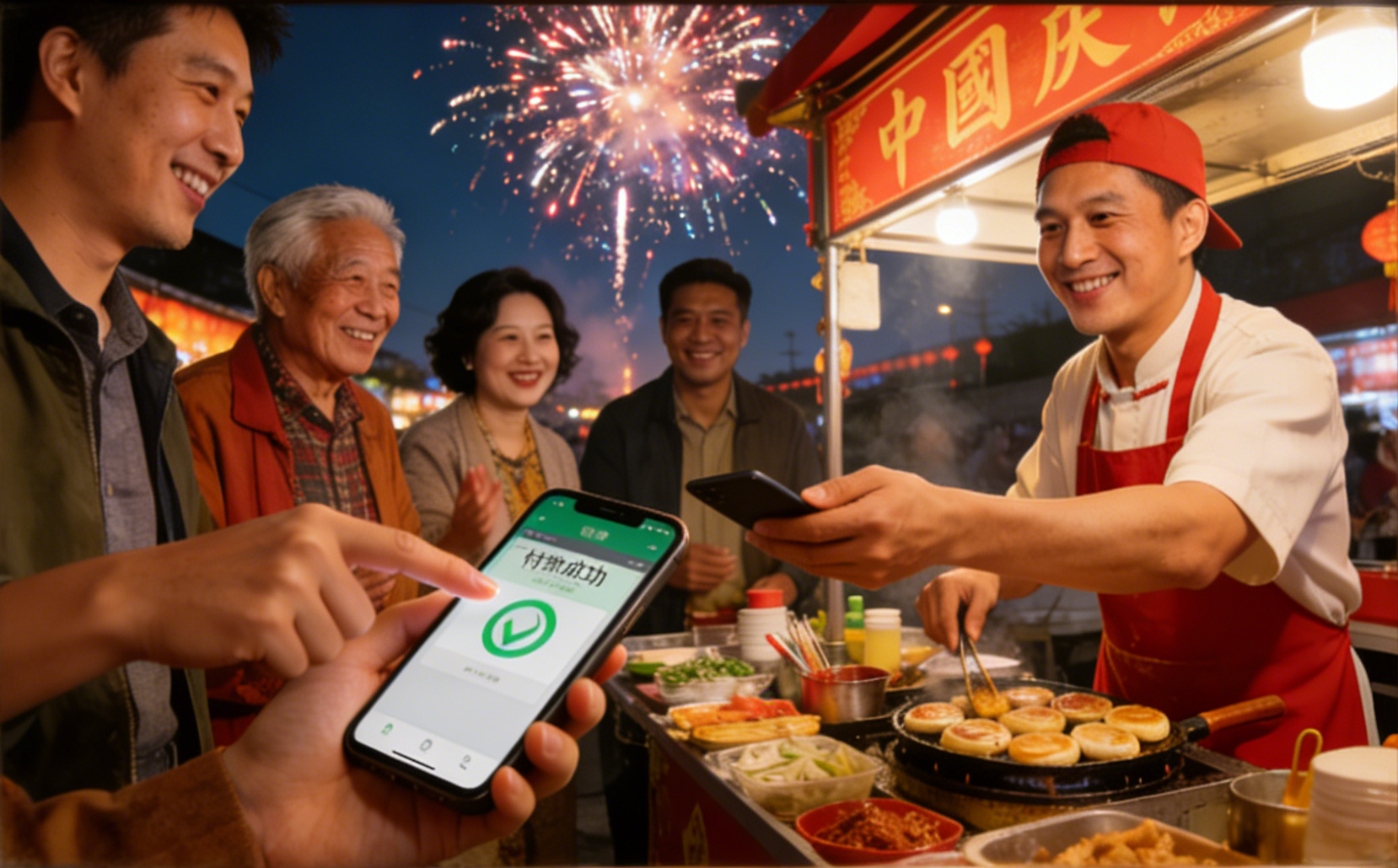
Traveling or living in China offers unique experiences filled with surprising and often funny cultural quirks! Foreigners frequently encounter amusing differences that range from confusing to delightful. This guide explores 10 common cultural differences in China to help you prepare for your journey and avoid awkward situations.
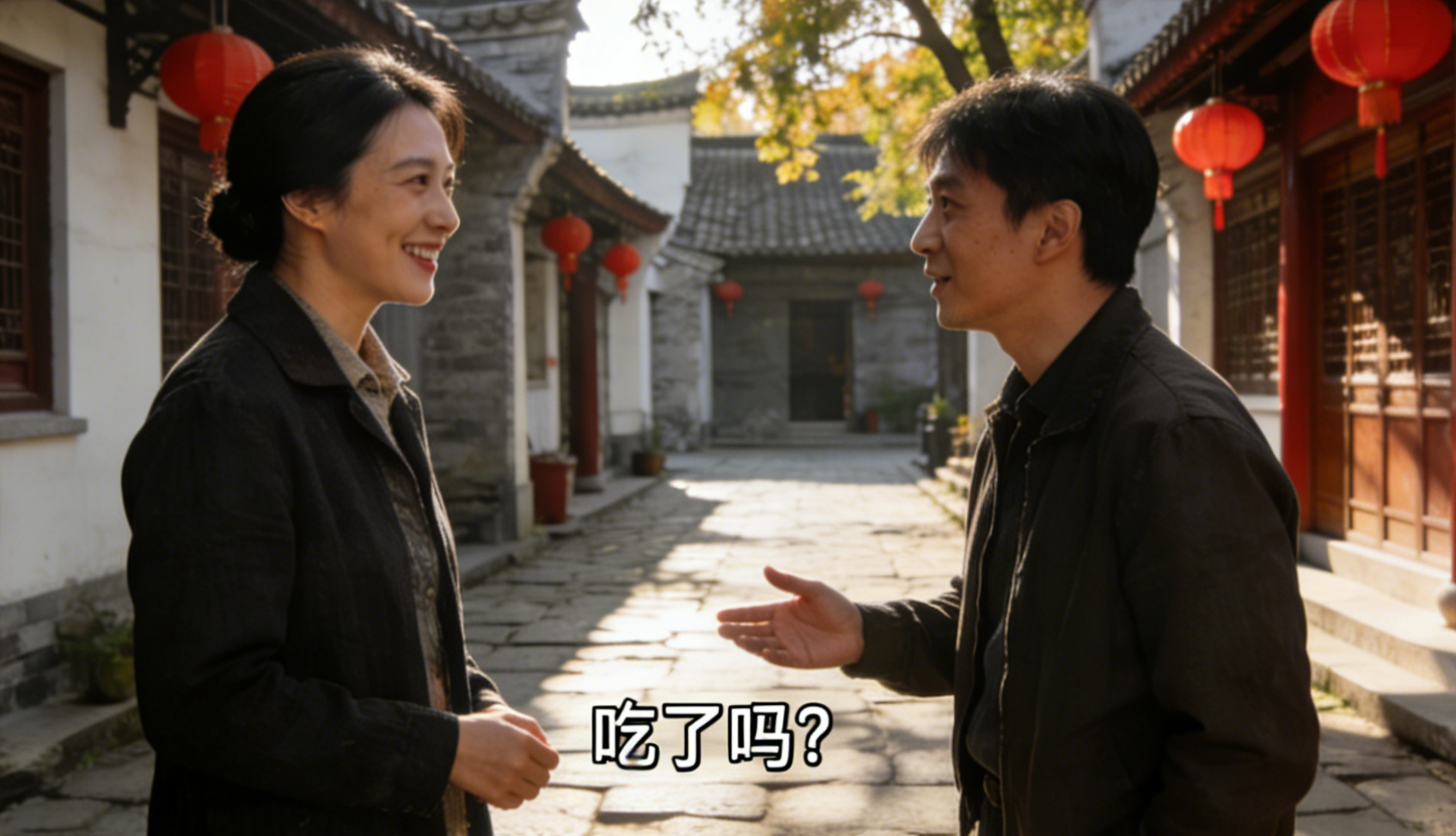
😂 1. “Have You Eaten?” = “Hello!”
| Aspect |
Details |
| What it is |
Chinese people commonly greet each other with "Nǐ chī le ma?" (你吃了吗?= Have you eaten?) instead of the standard "Hello." |
| Why |
Food holds a central role in Chinese culture – asking about someone's meal status demonstrates care and concern, similar to "How are you?" in English. |
| Funny Moment |
A foreign traveler once replied, "No, what are we having?" to the greeting, leaving the local resident confused about the unexpected response! |
| Pro Tip |
Simply respond with "Chī le!" (吃了 = I ate!) or "Hái méi!" (还没 = Not yet!) – no detailed explanation is needed. |
🚶 2. People Walk (and Drive) Like It’s a Race
| Aspect |
Details |
| What it is |
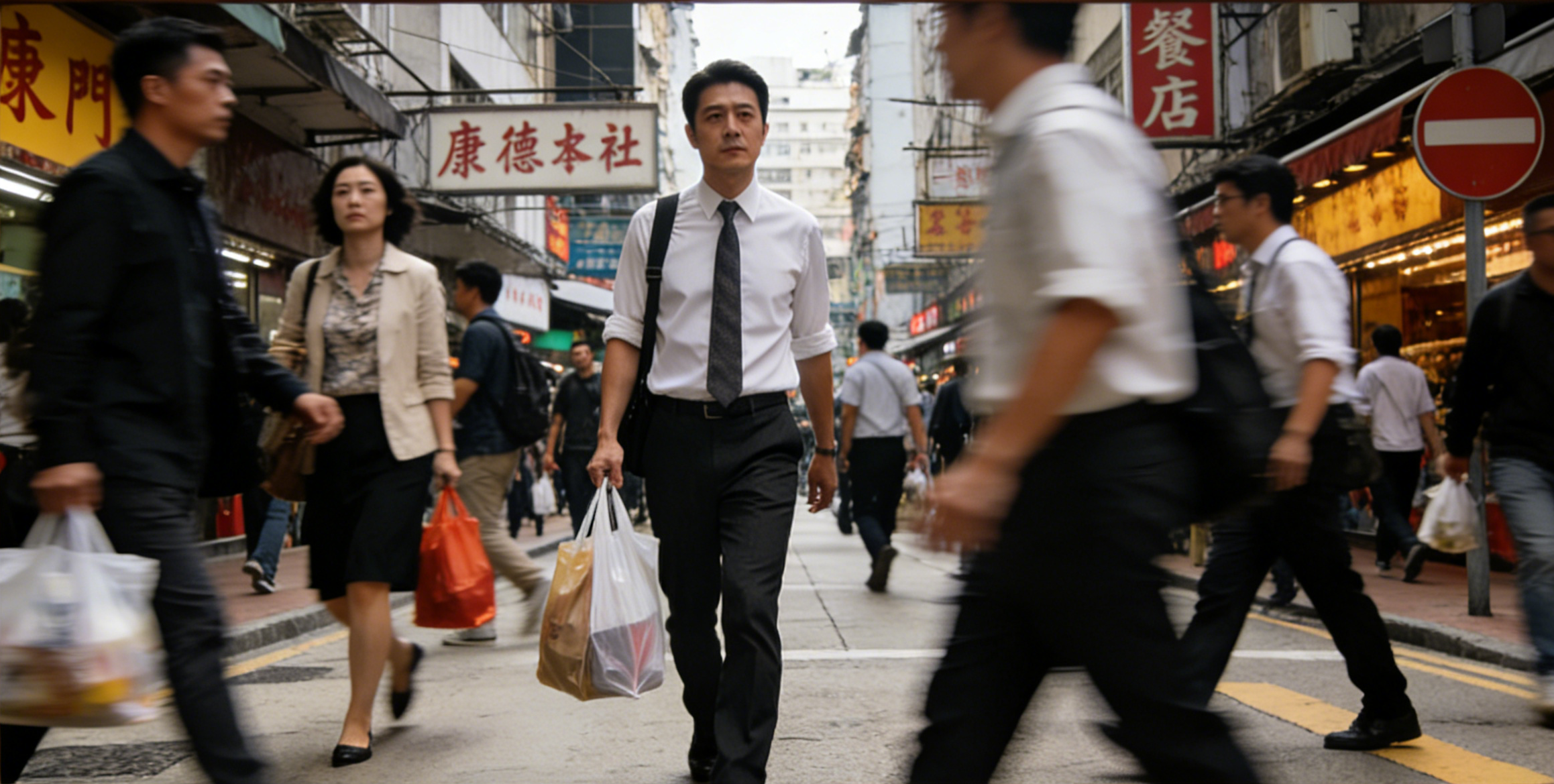
Chinese pedestrians and drivers tend to move at a fast pace – slow walking on sidewalks can disrupt the flow. |
| Why |
Efficiency is highly valued in daily life – people often rush to work, shop, or meet friends. |
| Funny Moment |
A tourist who stopped to take a photo on a busy sidewalk was gently nudged aside with a muttered "Duōmafan!" (多麻烦 = So annoying!). |
| Pro Tip |
Walk on the right side of pathways, keep up with the crowd, and avoid blocking thoroughfares. |
🍚 3. Rice Is a “Side Dish,” Not a Main Course
| Aspect |
Details |
| What it is |
Contrary to foreign expectations, rice is typically a side dish in China, served alongside stir-fries, meat, or vegetables. |
| Why |
Rice functions as "filler" while the main flavor comes from accompanying dishes. |
| Funny Moment |
A foreigner who ordered "just rice" at a restaurant left the waiter puzzled, who asked, "No dishes to go with it?" |
| Pro Tip |
Order 1 bowl of rice per person plus 2-3 shared dishes (family-style dining is the norm!). |
| Food Type |
Role in Chinese Meals |
Typical Quantity |
| Rice |
Side dish/filler |
1 bowl per person |
| Stir-fries |
Main flavor source |
2-3 dishes for 2-3 people |
| Soup |
Accompaniment |
1 pot for sharing |
📱 4. WeChat Is Everything (No Cash, No Problem)
| Aspect |
Details |
| What it is |
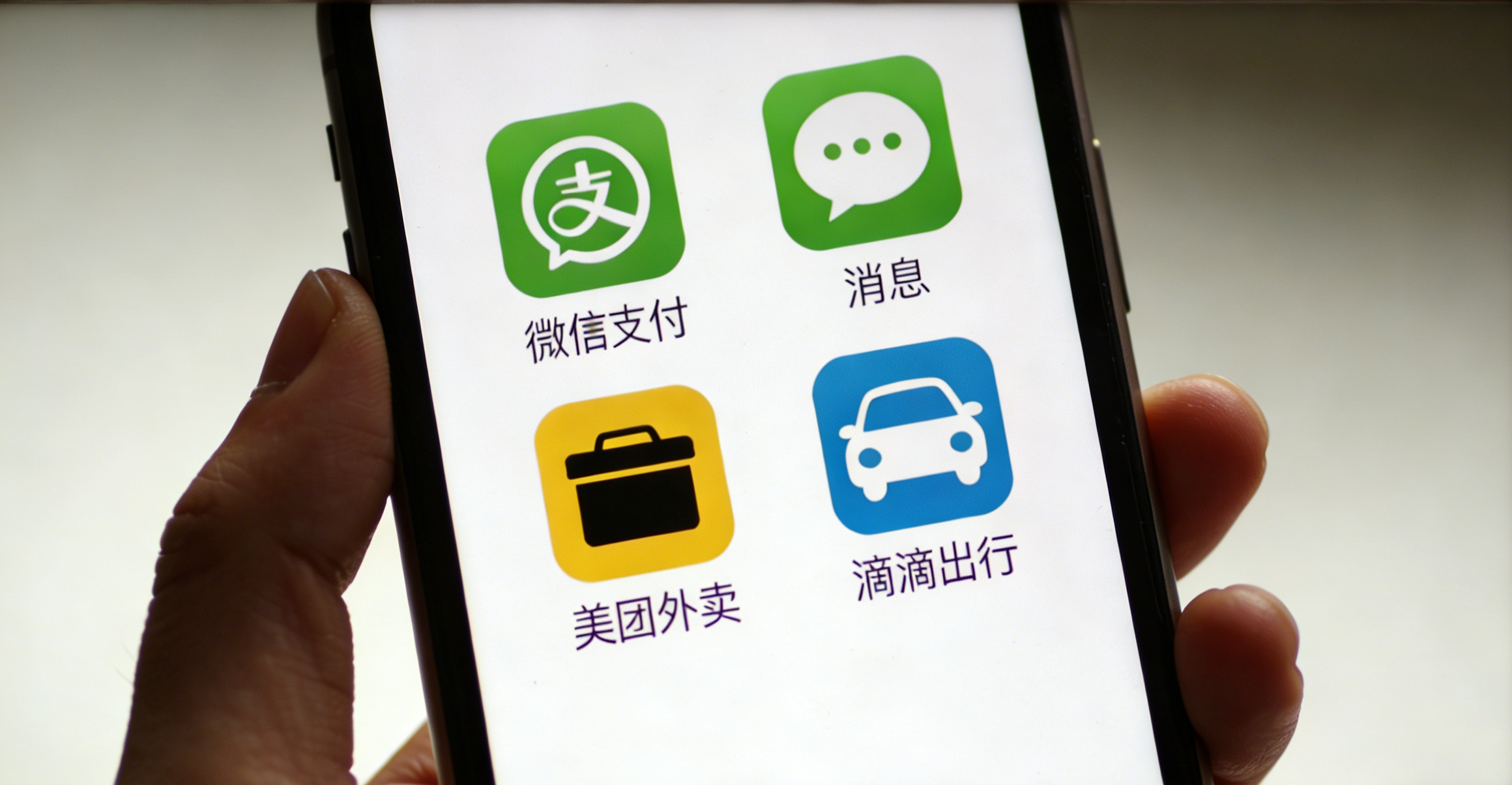
WeChat (微信 Wēixìn) serves as an all-in-one app for Chinese people, used for texting, payments, food delivery, ride-hailing, and even social networking. |
| Why |
Its convenience makes it indispensable – one app handles most daily needs. |
| Funny Moment |
A tourist attempting to pay with cash at a street stall was told, "We don’t take cash!" The vendor kindly helped them download WeChat to complete the transaction. |
| Pro Tip |
Download WeChat before arriving in China. Link it to a Chinese bank card or use a foreign card (accepted by some vendors). |
🗣️ 5. People Talk Loudly (Especially on Phones)
| Aspect |
Details |
| What it is |
Chinese people often speak loudly in public, particularly during phone calls. |
| Why |
It’s not considered rude! In crowded environments, raising one's voice ensures the other person can hear clearly. |
| Funny Moment |
A foreigner sitting next to someone on the subway thought they were angrily shouting about a grocery list – only to realize it was a phone call. |
| Pro Tip |
Don’t take it personally – it’s a cultural habit, not a sign of anger. |
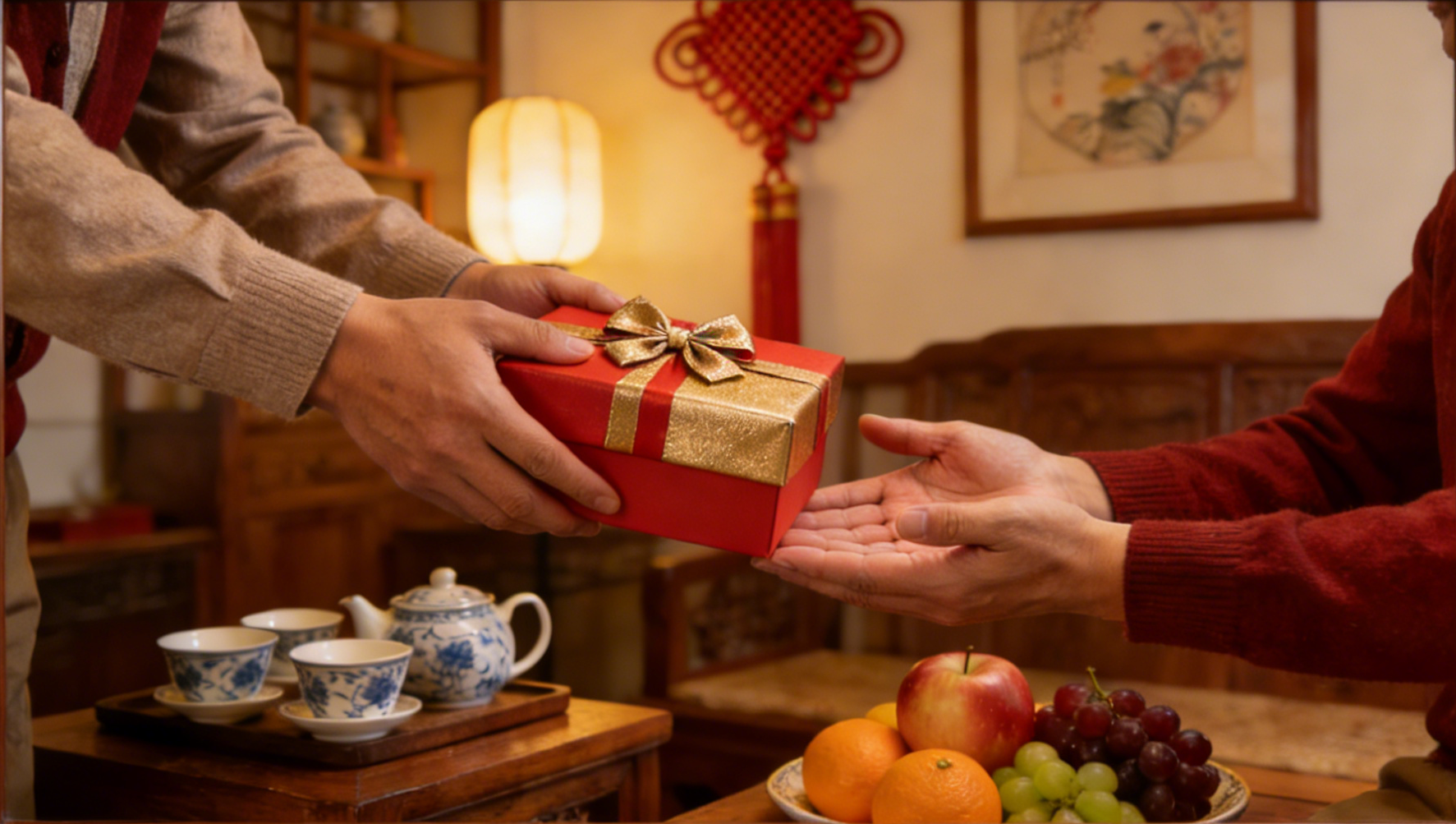
🎁 6. Gift-Giving Etiquette (No Sharp Objects!)
| Aspect |
Details |
| What it is |
Chinese gift-giving has specific rules – avoid sharp objects (knives symbolize cutting off relationships) and clocks (zhōng 钟 sounds like "end," associated with death). |
| Why |
Chinese culture uses homophones (wordplay) – certain gifts carry unlucky connotations. |
| Funny Moment |
A foreigner gave a watch as a gift to a Chinese friend, who politely declined. The friend later explained the unlucky symbolism behind the gift. |
| Pro Tip |
Safe gift choices include fruit, tea, chocolate, or red envelopes (especially during holidays). |
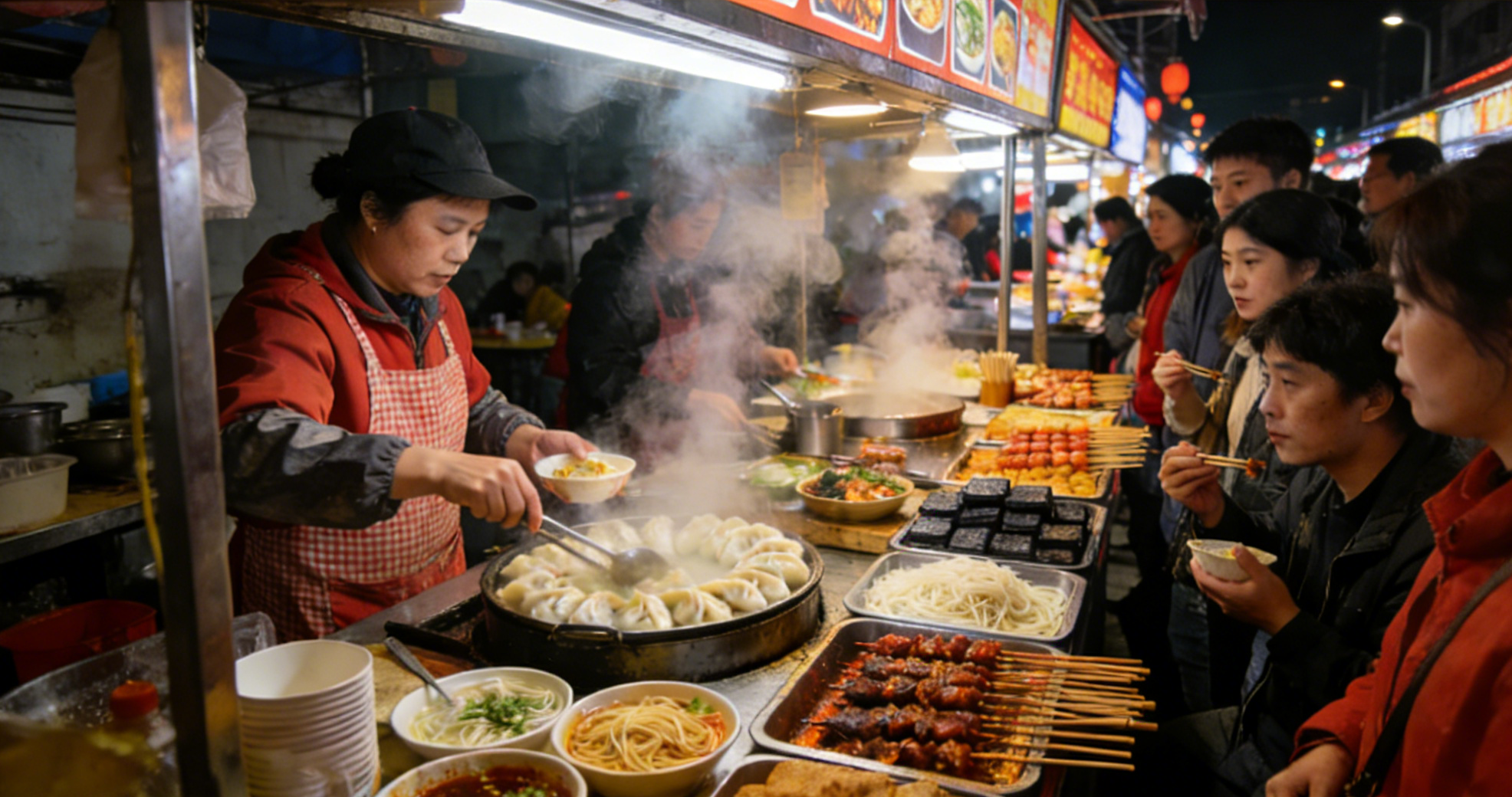
🍜 7. Street Food Is Everywhere (and Delicious!)
| Aspect |
Details |
| What it is |
Sidewalks across China are lined with food stalls offering dumplings, noodles, skewers, and other local specialties. |
| Why |
Street food is affordable, convenient, and flavorful – perfect for busy urban lifestyles. |
| Funny Moment |
A foreigner tried "stinky tofu" (臭豆腐 chòu dòufu) – they were put off by the smell but surprised by how much they enjoyed the taste! |
| Pro Tip |
Follow local crowds – long lines at a stall usually indicate delicious food. |
🧓 8. Elders Love to Give Unsolicited Advice
| Aspect |
Details |
| What it is |
Chinese elders often offer advice on topics like marriage, career, and even eating habits. |
| Why |
Elders are highly respected in Chinese culture and aim to share their life wisdom. |
| Funny Moment |
A 25-year-old foreigner was asked by a local grandma, "Why aren’t you married yet?" and promptly offered to set them up with her grandson. |
| Pro Tip |
Respond with a smile and "Xièxie!" (谢谢 = Thank you!) – you’re not obligated to follow the advice. |
🚭 9. Smoking Is Common (But Banned in Some Places)
| Aspect |
Details |
| What it is |
Many Chinese men smoke, even in public areas, though smoking is prohibited in restaurants, trains, and buses. |
| Why |
Smoking is sometimes seen as a social activity – friends share cigarettes to build rapport. |
| Funny Moment |
A foreigner politely asked someone to stop smoking in a park, and the person apologized and moved to a different area (most people will comply with polite requests). |
| Pro Tip |
Look for "No Smoking" signs (禁止吸烟 Jìnzhǐ xīyān) to avoid fines. |
🎉 10. Celebrations Are Loud (Fireworks All Night!)
| Aspect |
Details |
| What it is |
Chinese festivals, especially Spring Festival, feature fireworks that often continue late into the night. |
| Why |
Fireworks are believed to scare away bad luck and celebrate new beginnings. |
| Funny Moment |
A tourist was awakened at 2 AM by fireworks but ended up joining the celebration and having a great time! |
| Pro Tip |
Bring earplugs if you’re sensitive to noise – and enjoy the festive atmosphere! |
🌟 Embrace the Differences
These cultural quirks are part of what makes China unique! Remember: Cultural differences are neither “right” nor “wrong” – just different. Understanding them will enhance your experience and help you make more local friends.
🔍 Keep Exploring
About Us
We’re dedicated to making Mandarin learning fun and accessible for beginners. Follow us for more cultural insights and language tips!