Have you ever been deterred by the myth that “Chinese is the hardest language in the world”? Or felt overwhelmed when you first saw its intricate characters?
I get it. I felt the same way. But after diving in, I discovered a widely misunderstood truth.
Today, we won’t shy away from the challenges, but we won’t exaggerate them either. This article is your 2026 reality check, helping you objectively assess the true barriers to learning Chinese, so you can decide with clarity.
Part 1: The Hard Truths (Let’s Get Them Out of the Way)
First, let’s be honest: for English speakers, Chinese does present unique challenges, primarily in two areas:
1. Tones: The Musical Barrier
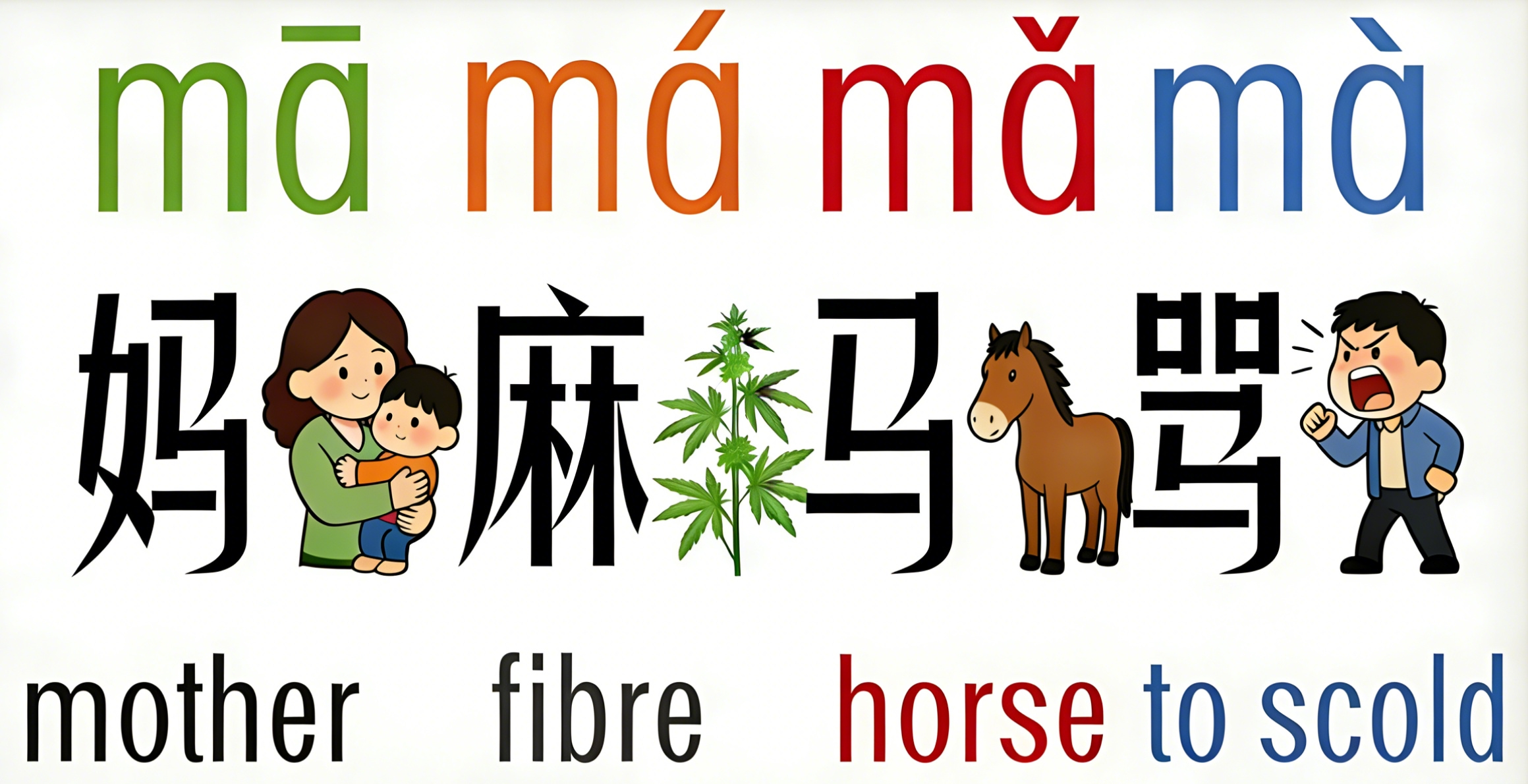
- The Challenge: In English, we use intonation for emotion, but it doesn’t change the meaning of words. In Chinese, the tone of a syllable—its “pitch contour”—completely changes its meaning. For example, the simple syllable “ma” can mean:
- mā (mother)
- má (hemp)
- mǎ (horse)
- mà (to scold)
- Why It’s Hard: It’s a全新 skill that requires deliberate practice for speakers used to free-flowing intonation.
2. Characters: The Visual Mountain
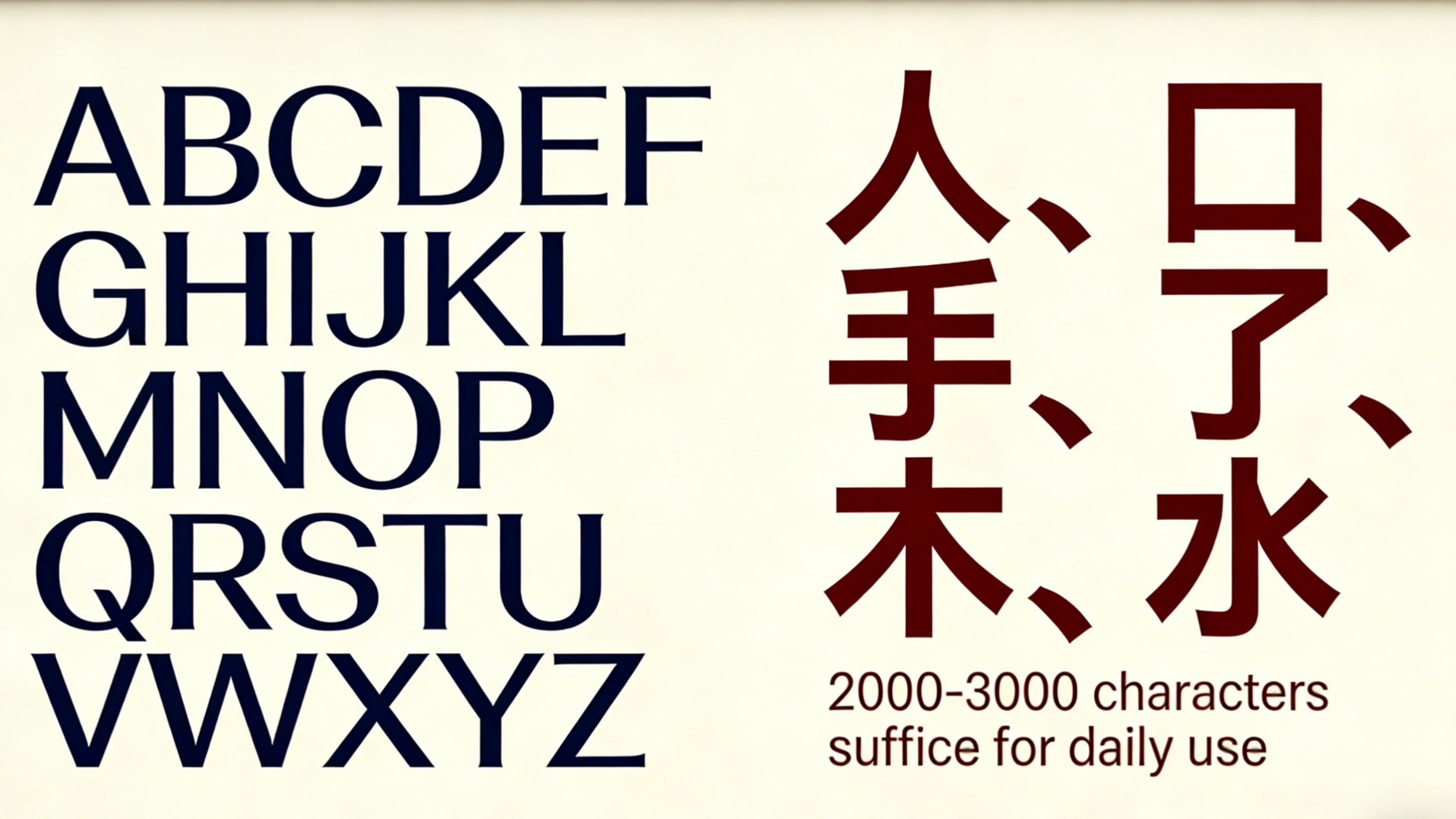
- The Challenge: Say goodbye to the alphabet. Facing thousands of unique, picture-like characters can be intimidating. There’s no direct phonetic link like in English.
- The Myth: “You have to learn 50,000 characters!” This is simply not true. For daily communication, 2,000-3,000 characters are sufficient.
Part 2: The Surprising Ease of Chinese
Now, let’s flip the script. Compared to European languages, Chinese is surprisingly simple in many ways.
1. Grammar: Simplicity That Shocks
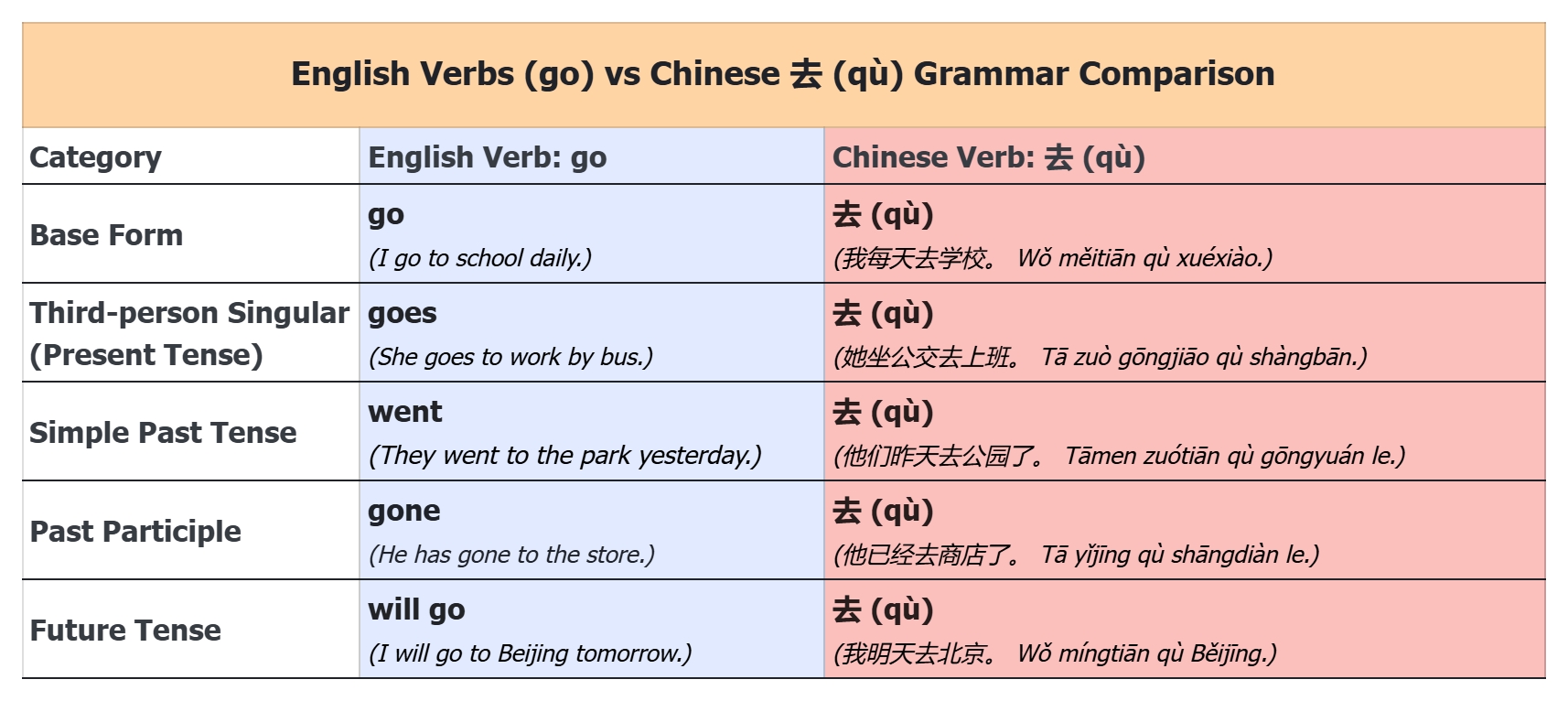
- No Verb Conjugation: In English, you have
go, goes, went, gone. In Chinese, the verb qù (to go) is always qù, regardless of subject or tense. You just add time words like “yesterday” or “tomorrow”. - No Noun Plurals: One cat is “one cat” (一只猫 yī zhī māo), three cats are “three cats” (三只猫 sān zhī māo). No
sneeded. - No Gender: Unlike French (
le,la) or German (der,die,das), Chinese nouns have no gender.
2. Vocabulary: Logic Over Rote
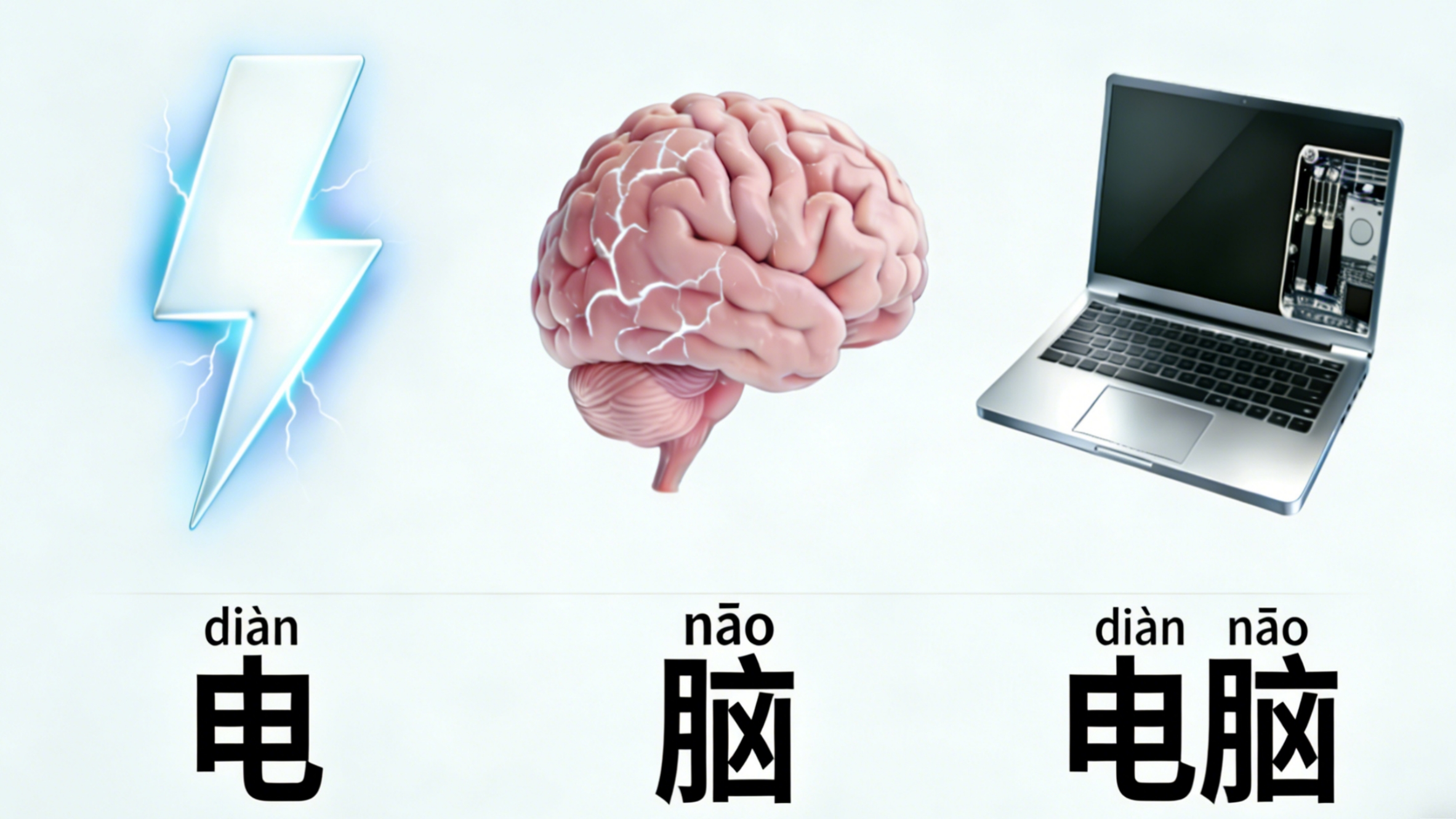
- Compound Words: Chinese vocabulary is highly logical.
- Huǒchē (火车) = fire + car = train
- Diànnǎo (电脑) = electricity + brain = computer
- Shǒujī (手机) = hand + machine = cell phone
- Once you know the basic characters, learning new words becomes a puzzle, not a chore.
Part 3: The 2026 Reality: Learning Chinese Has Never Been Easier
In 2026, we have unprecedented tools at our disposal, making the initial hurdles much easier to overcome:

- AI-Powered Tutors: Apps like ChatGPT or HelloChinese can act as your 24/7 tutor, correcting your tones and explaining grammar on the fly.
- Gamified Learning: Platforms like Duolingo and Memrise turn the tedious parts of learning (like memorizing vocabulary) into a fun game.
- Immersive Content: You can now watch your favorite shows on Netflix with Chinese subtitles, or listen to Chinese podcasts on Spotify during your commute.
Conclusion: So, Is It Hard?
My answer is: It has challenges, but they are far from insurmountable.
Chinese is more of a “front-loaded” investment language. You spend some time mastering tones and building your character foundation. Once you cross that initial hump, the simple grammar and logical vocabulary make the learning curve surprisingly smooth.
Learning Chinese isn’t a sprint; it’s a fascinating marathon that opens the door to a world of history, culture, and opportunity.
If you’re ready to tackle those initial hurdles, I invite you to read the next article in this series: “Demystifying Chinese: A Deep Dive into Tones, Characters, and Culture”
The door to Chinese is ajar. Are you ready to push it open?